
Ingredients
What Is Inulin?
Inulin is a soluble, fermentable fiber - a fructan - found naturally in chicory root, onions, garlic, leeks, Jerusalem artichoke and bananas. On supplement and
Read GuideESX | Everyday Solutions Exchange
Visit MarketPlace GlobalLearning Library
Every guide on ESX, organized so you can find the answer you came for.
Ingredients
Inulin is a soluble, fermentable fiber - a fructan - found naturally in chicory root, onions, garlic, leeks, Jerusalem artichoke and bananas. On supplement and
Read Guide
Prebiotics
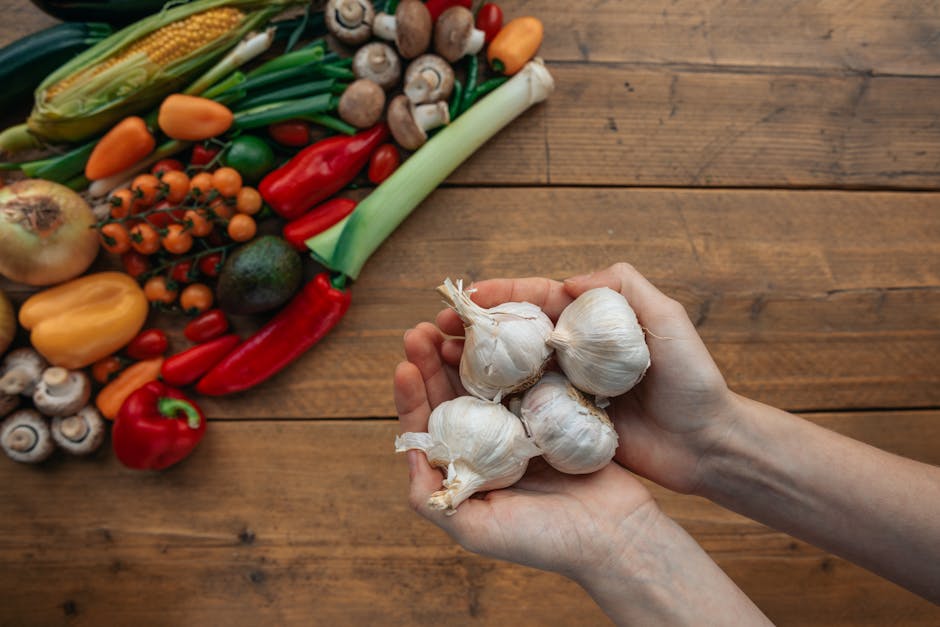
Yes. Everyday foods supply fermentable fibers that function as prebiotics, including onions, garlic, leeks, asparagus, bananas, oats, barley, apples and legumes
Read Guide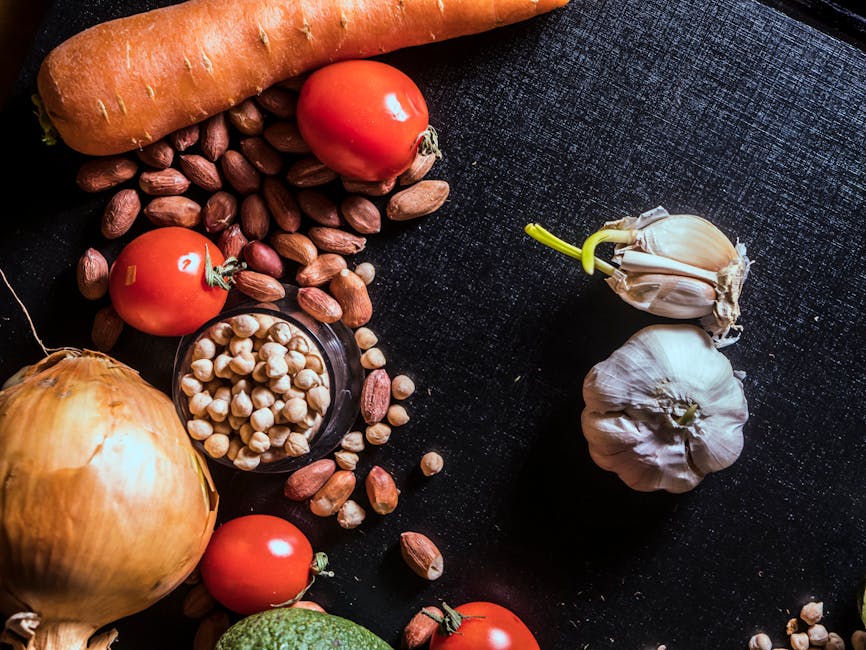
Fiber
Soluble fiber dissolves in water and forms a gel-like material; it is found in oats, beans, apples and citrus. Insoluble fiber does not dissolve and adds bulk;
Read Guide
Prebiotics
A synbiotic is a product or food combination that contains both live probiotic microorganisms and prebiotic fibers - ingredients designed to add microbes and fe
Read Guide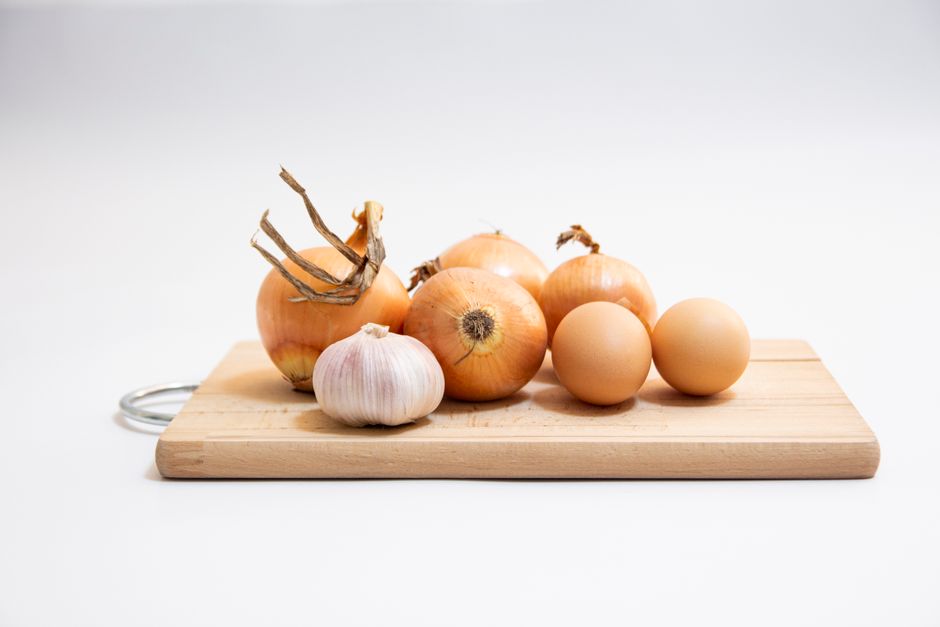
Prebiotics
Prebiotic foods - onions, garlic, bananas, oats, legumes - supply fermentable fibers together with vitamins, minerals and other plant compounds. Prebiotic suppl
Read Guide
Prebiotics
A prebiotic powder is a powdered supplement whose main ingredients are fibers that serve as food for gut microorganisms, such as inulin, fructooligosaccharides
Read Guide
Prebiotics
Probiotics are live microorganisms - bacteria or yeasts - found in fermented foods and some supplements. Prebiotics are non-living compounds, usually fibers, th
Read Guide
Prebiotics
Prebiotics are types of fiber and other compounds that your body does not digest but that serve as food for the microorganisms living in your gut. They occur na
Read GuideIngredients
Digestive enzymes are proteins that help break down food components: amylase for starches, lipase for fats, protease for proteins, lactase for lactose and cellu
Read Guide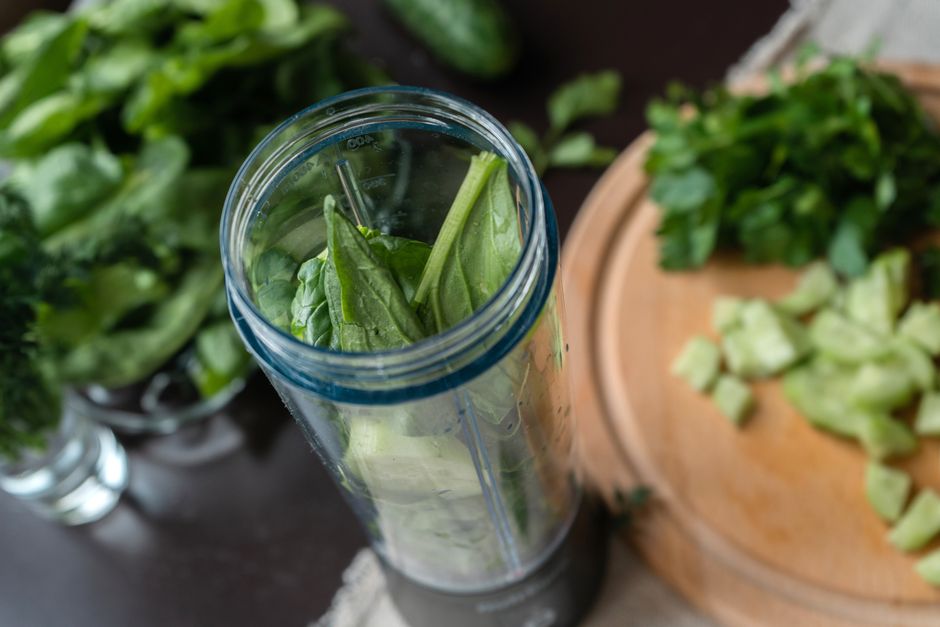
Ingredients
Chlorella is a freshwater green alga; spirulina is a blue-green alga (a cyanobacterium called Arthrospira). Both are dried and sold as dark green powders in gre
Read GuideNutrition Basics
'Superfood' is a marketing term, not a scientific or regulatory category. No official body defines it, and no food earns the label by meeting fixed criteria. It
Read Guide
Label Reading
Start with the serving size and servings per container, then work through the ingredient list: check whether each ingredient has a stated amount or is grouped i
Read GuideGreens Powders
Greens powders and multivitamins are different categories of supplement. A greens powder is a blend of dried plant ingredients, sometimes with fibers, probiotic
Read GuideGreens Powders
Whole foods provide fiber variety, volume, satiety and nutrients in natural proportions; greens powders provide convenience, long shelf life and specific dried
Read GuideGreens Powders
No. No supplement is an equivalent replacement for a varied diet of whole vegetables and fruits. Whole vegetables provide water, volume, a broad mix of fibers a
Read Guide
Greens Powders
A greens powder is a powdered dietary supplement made from dried and powdered vegetables, grasses, algae and other plant ingredients, often with added fibers, p
Read GuideIngredients
Green tea extract is a concentrated preparation of compounds from green tea leaves (*Camellia sinensis*), typically including catechins such as EGCG and, in mos
Read GuideIngredients
Guarana is a climbing plant native to the Amazon basin whose seeds contain naturally occurring caffeine - typically at a higher concentration than coffee beans.
Read GuideLabel Reading
Work through an energy supplement label in order: caffeine per serving, servings per container, serving size, stimulant ingredients (including caffeine-containi
Read GuideCaffeine
Beyond coffee, caffeine hides in black and green tea, chocolate, guarana, yerba mate, green tea extracts in supplements, some soft drinks, and certain medicatio
Read Guide
Caffeine
Research generally suggests avoiding caffeine in the hours before bedtime, with many studies and sleep organizations pointing to the afternoon-to-early-evening
Read Guide
Caffeine
Caffeine's average half-life in healthy adults is about 5 hours, meaning roughly half the caffeine from a cup of coffee is still in your system five hours later
Read Guide
Caffeine
Compare caffeine sources by seven factors: caffeine per serving, serving size, servings per container, ingredient sources of caffeine, additional ingredients, s
Read Guide
Caffeine
Fifty to sixty milligrams of caffeine is roughly half the amount in an 8-ounce cup of brewed coffee, and a bit more than a cup of black tea. It is a moderate am
Read GuideCaffeine
An 8-ounce cup of brewed coffee contains roughly 80-100 mg of caffeine. Black tea has about 47 mg per 8 oz, green tea about 28 mg, a 1-oz espresso shot about 63
Read GuideIngredients
Matured hop extract is a preparation made from the flowers of the hop plant (Humulus lupulus) that has gone through a maturation process after extraction, durin
Read GuideIngredients
A botanical extract is a concentrated preparation made by drawing compounds out of plant material with a solvent such as water or ethanol, then concentrating th
Read GuideLabel Reading
Verify a stimulant-free claim by reading the ingredient list in full: check the serving size, look for caffeine and caffeine-containing botanicals (guarana, gre
Read GuideLabel Terms
Decaf means most naturally occurring caffeine has been removed from coffee or tea, though trace amounts remain. Caffeine-free means the product contains no caff
Read GuideLabel Terms
Caffeine-free means the product contains no caffeine. Stimulant-free means it contains no stimulant ingredients - caffeine being the main one on supplement labe
Read GuideLabel Terms
Stimulant-free means a product is formulated without stimulant ingredients - substances like caffeine that increase activity in the nervous system. But the phra
Read GuideLabel Reading
Read an aloe supplement label in order: identify the plant part (inner leaf gel, latex or whole leaf), note processing terms (stabilized, decolorized, filtered)
Read Guide
Processing
Aloe vera juice is a liquid product; aloe gel refers to the inner-leaf material itself (also sold as topical products); aloe powder is a dried, concentrated for
Read Guide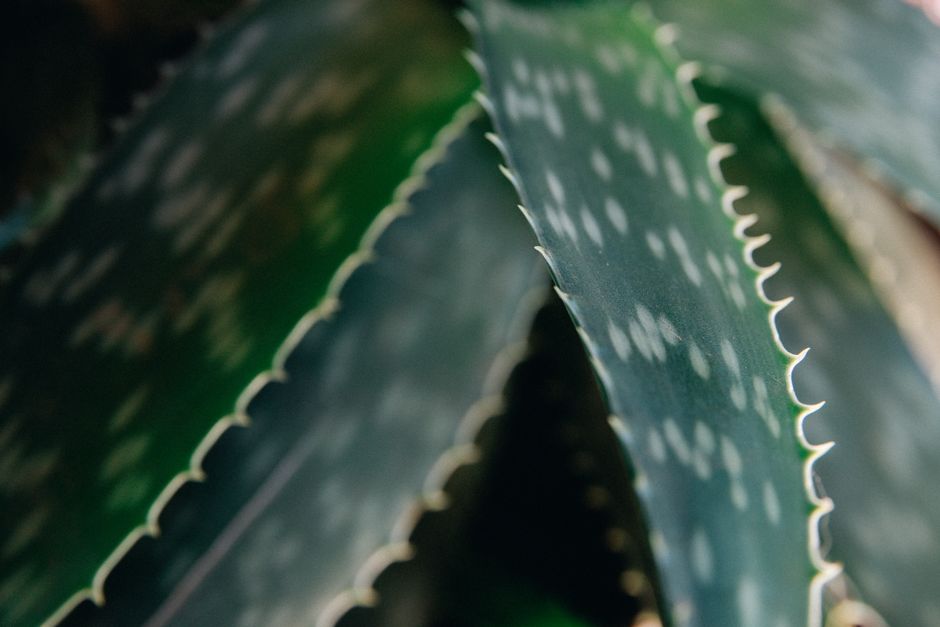
Processing
Aloe powder is made by harvesting leaves, separating the inner gel (or processing whole leaf), stabilizing the gel, concentrating it, and drying it - commonly b
Read GuideAloe Basics
The aloe leaf contains three distinct materials: inner-leaf gel (the clear jelly, source of acemannan), latex (a bitter yellow substance under the skin, contain
Read GuideAcemannan
Acemannan is a long-chain polysaccharide - a complex sugar molecule - found in the inner gel of Aloe vera leaves. It is the component most often referenced in a
Read GuideLooking for product information? Browse Product Guides