
Fiber
Soluble vs. Insoluble Fiber: What's the Difference?
Quick Answer
Soluble fiber dissolves in water and forms a gel-like material; it is found in oats, beans, apples and citrus. Insoluble fiber does not dissolve and adds bulk; it is found in whole grains, wheat bran, nuts and vegetable skins. Most plant foods contain a mix of both, and a varied diet supplies each.
By ESX Editorial Team · Published Jun 2026 · Updated Sep 2026
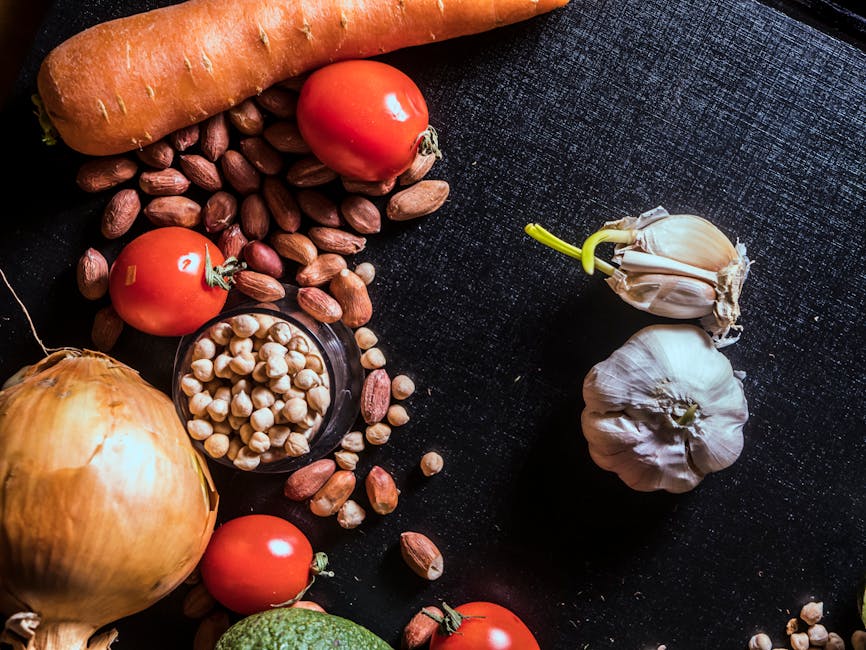
Fiber is often treated as one number on a nutrition label, but plant foods actually contain several kinds of fiber that behave differently. The most common split is soluble versus insoluble. Here is what the distinction means in practice.
The Basic Difference
- Soluble fiber dissolves in water to form a gel-like material. It is fermented to varying degrees by gut microorganisms, which is why many soluble fibers are also discussed as prebiotic-like compounds.
- Insoluble fiber does not dissolve in water. It passes through the digestive tract largely intact, adding bulk to stool.
Both types are dietary fiber, and both contribute to the total fiber number you see on a food label.
Side-by-Side Comparison
| Soluble fiber | Insoluble fiber | |
|---|---|---|
| Behavior in water | Dissolves, forms a gel | Does not dissolve |
| Common foods | Oats, barley, beans, lentils, apples, citrus, carrots, psyllium | Whole grains, wheat bran, nuts, skin of fruits and vegetables, celery |
| Typical supplement forms | Psyllium husk, inulin, beta-glucan, pectin | Cellulose, wheat bran |
| What it is generally associated with | Fermentation by gut microbes. Gel-forming properties | Bulk and passage through the gut |
Foods Containing Each Type
Most plant foods contain a mixture, but some are especially known for one type:
Soluble fiber:
- Oats and oatmeal
- Barley
- Beans and lentils
- Apples and citrus fruits
- Carrots
- Psyllium husk (a concentrated supplement source)
Insoluble fiber:
- Whole wheat and wheat bran
- Nuts
- Vegetable skins
- Cauliflower and green beans
- Potatoes with skin
Why the Distinction Is Useful
Knowing the difference helps you read labels and food descriptions more accurately:
- On supplement labels, the fiber ingredient tells you which kind you are getting. Inulin, psyllium and beta-glucan are soluble. Cellulose is insoluble.
- On food labels, "dietary fiber" is the total of both kinds. The breakdown is usually not given.
What Fiber Is Not
- Fiber is not a treatment for any condition. If you have a digestive condition or persistent symptoms, speak with a healthcare professional rather than self-managing based on label reading.
- More fiber is not automatically better for everyone at once. large sudden increases in fermentable fiber commonly cause gas or bloating.
- "Soluble" and "insoluble" are not the whole story - fibers are also described by fermentability and viscosity, which is why two soluble fibers can behave differently.
The Takeaway
Soluble fiber dissolves and gels. Insoluble fiber does not and adds bulk. Most plant foods contain both, which is one reason dietary guidance favors variety: different foods deliver different fibers, and no single food or supplement covers the full range.
If you want to see how these terms look on a real label, the Pro-Active Greens category on MarketPlace Global lists the current formula and ingredient details.
Related Questions
- Is oatmeal soluble or insoluble fiber?
- Which vegetables have insoluble fiber?
- Is inulin soluble fiber?
- Do I need both types of fiber?
Sources & References
Related Guides
Supplement Lot Numbers: How to Check a Recall
A lot number is a manufacturer code printed on the bottle or its label, often near the expiration date, that identifies the production batch. Recall notices lis
What Is Resistant Starch? Foods, Labels and Digestion
Resistant starch is starch that escapes digestion in the small intestine and reaches the colon, where gut microorganisms ferment it. It occurs naturally in food
What Does CFU Mean on a Probiotic Label?
CFU stands for colony-forming units, a count of live microorganisms able to multiply under test conditions. A label such as 10 billion CFU describes the amount
Keep Exploring
Explore more in Gut & Digestive Wellness
Where to Look Next
If this guide helped you compare options, the official MarketPlace Global Momentum store lists the current categories, labels and ingredient details: Pro-Active Greens on MarketPlace Global. Always review the current product label before purchasing.
Related Product Guide
If you're researching this topic, you may also want to review our guide to VeraCell.
Learn About VeraCell