
Ingredients
Chlorella vs. Spirulina
Quick Answer
Chlorella is a freshwater green alga; spirulina is a blue-green alga (a cyanobacterium called Arthrospira). Both are dried and sold as dark green powders in greens blends and as standalone supplements. They are different organisms with different cultivation and processing, which is why labels list them as separate ingredients.
By ESX Editorial Team · Published Jul 2026 · Updated Jul 2026Reviewed by ESX Editorial Team
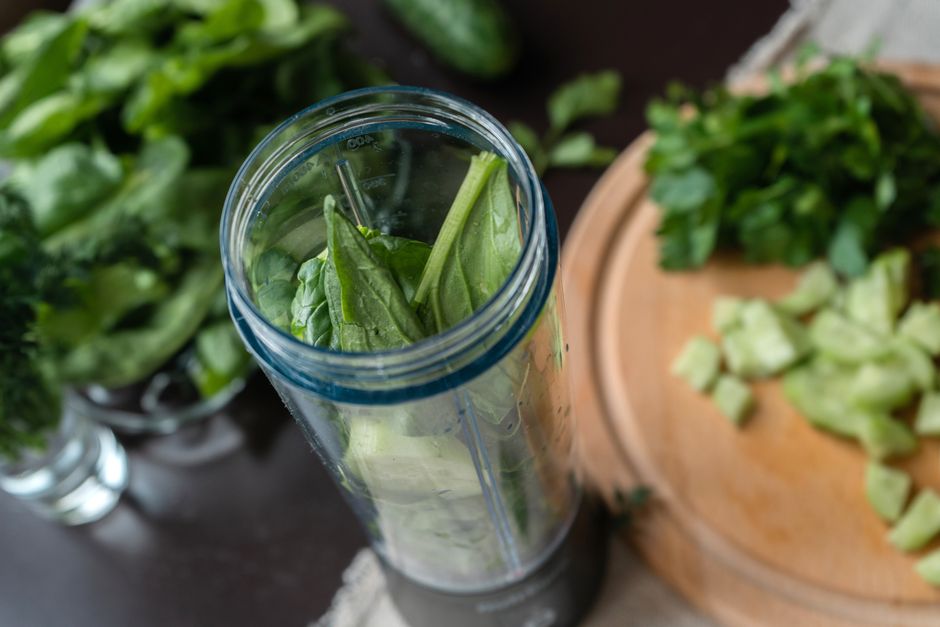
Chlorella and spirulina are the two algae most often found in greens powders, and they are easy to confuse: both are aquatic, both are dried into dark green powders, and both appear in the same product categories. They are nonetheless different organisms. Here is how to tell them apart.
What Each One Is
Chlorella is a single-celled freshwater green alga. Its cells have a tough outer wall, so commercial chlorella is usually processed to break that wall ("cracked-cell" or "broken-cell wall" chlorella) before being dried and powdered.
Spirulina is a blue-green alga - technically a cyanobacterium - with the scientific name Arthrospira. It grows in warm, alkaline water, is harvested, dried and sold as flakes or powder. Unlike chlorella, it has no rigid cell wall to crack.
Side-by-Side Comparison
| Chlorella | Spirulina | |
|---|---|---|
| Organism type | Freshwater green alga (single-celled) | Blue-green alga / cyanobacterium (Arthrospira) |
| Cell wall | Tough wall, often cracked in processing | No rigid wall |
| Typical forms | Powder, tablets ("cracked-cell") | Powder, flakes, tablets |
| Where it appears on labels | "Chlorella," "cracked-cell chlorella," "Chlorella vulgaris" | "Spirulina," "Arthrospira platensis" |
| Color | Deep green | Deep blue-green |
Where You Encounter Them
- Greens powders - both frequently appear in the supergreens section of the formula, sometimes each with a stated amount, sometimes inside a blend.
- Standalone supplements - each is also sold on its own as powder or tablets.
- Foods and drinks - spirulina in particular shows up in smoothies, snacks and beverages, where it lends its characteristic color.
Identifying Them on a Label
The names are the identifiers: "chlorella" (often with Chlorella vulgaris or "cracked-cell") and "spirulina" (often with Arthrospira platensis). Check whether an amount is listed per serving or whether the ingredient sits inside a proprietary blend. The label-reading method applies here exactly as it does for any greens formula: How to Read a Greens Powder Ingredient Label.
A Note on Quality and Claims
Because algae are cultivated and concentrated organisms, sourcing and testing matter; reputable manufacturers disclose cultivation and testing practices. And a general principle applies to both: research on an alga as an ingredient does not by itself establish what any finished commercial product containing it will do. Neither alga is a treatment or cure for any condition, and anyone with a medical condition, pregnancy or medication use should discuss algae supplements with a healthcare professional.
The Takeaway
Chlorella is a single-celled freshwater green alga, usually sold with a cracked cell wall; spirulina is a blue-green cyanobacterium sold as powder or flakes. Both are common in greens powders, and both are listed by name on labels - where the presence, amount and form of each can be checked directly.
If you want to see how these terms look on a real label, the Pro-Active Greens category on MarketPlace Global lists the current formula and ingredient details.
Related Questions
- Are chlorella and spirulina the same thing?
- What does cracked-cell chlorella mean?
- Which algae are in greens powders?
- What is spirulina's scientific name?
Sources & References
Related Reading
How to Read an Aloe Supplement Label
Read an aloe supplement label in order: identify the plant part (inner leaf gel, latex or whole leaf), note processing terms (stabilized, decolorized, filtered)
Aloe Vera Juice vs. Gel vs. Powder
Aloe vera juice is a liquid product; aloe gel refers to the inner-leaf material itself (also sold as topical products); aloe powder is a dried, concentrated for
How Aloe Vera Goes From Plant to Powder
Aloe powder is made by harvesting leaves, separating the inner gel (or processing whole leaf), stabilizing the gel, concentrating it, and drying it - commonly b
Keep Exploring
Explore more in Daily Nutrition
Where to Look Next
If this guide helped you compare options, the official MarketPlace Global Momentum store lists the current categories, labels and ingredient details: Pro-Active Greens on MarketPlace Global. Always review the current product label before purchasing.