

Vitamins & Minerals
Zinc Forms on Supplement Labels
This guide explains common zinc forms and why the Supplement Facts amount matters more than marketing language.
Read GuideESX | Everyday Solutions Exchange
Visit MarketPlace GlobalNutrition does not need to revolve around trends. Explore whole foods, greens powders, common ingredients and practical ways to understand what a supplement can - and cannot - add to an everyday diet.
Vitamins & Minerals
This guide explains common zinc forms and why the Supplement Facts amount matters more than marketing language.
Read Guide
Vitamins & Minerals
This guide explains what the term means, common examples, and how it appears on supplement and mineral-product labels.
Read Guide
Vitamins & Minerals
This guide explains the two common supplemental forms of vitamin D, label names, and what to compare.
Read Guide
Vitamins & Minerals
This guide explains two common vitamin B12 forms and how they appear on labels without declaring a universal best form.
Read Guide
Vitamins & Minerals
This guide explains that magnesium can appear in several compound forms and why the elemental magnesium amount matters.
Read Guide
Greens & Nutrition
This guide explains amylase, protease, lipase, lactase, cellulase, serving-label language, and product context.
Read Guide
Vitamins & Minerals
This guide explains folate terminology, 5-MTHF, folic acid, and label reading.
Read Guide
Label Reading
Start with serving size, ingredient amounts, and formula purpose. Ingredient count is a weak shortcut because two products with the same number of ingredients m
Read Guide
Vitamins & Minerals
A vitamin or mineral name tells you the nutrient. The source form tells you more about the ingredient used to provide the nutrient. Large formulas often mix man
Read Guide
Greens Powders
Mushroom blends often combine several species in one formula. Cordyceps, Reishi, Maitake, and Shiitake each have different species names and ingredient forms, s
Read Guide
Greens Powders
Ingredient count is easy to market, but it does not tell you serving amounts, ingredient forms, formula priorities, taste, or how the product fits your diet. Co
Read Guide
Vitamins & Minerals
Vitamin D3 is cholecalciferol. Vitamin D2 is ergocalciferol. Both are forms of vitamin D used in foods and supplements. The label should identify the form and a
Read Guide
Immune Support
MPG lists Vitamin C, Vitamin D3, Magnesium, Zinc, Quercetin, Black Cumin, Bromelain, and CoQ10 in current Core Immunity product information. Each ingredient has
Read Guide
nutrition
Powdered and liquid fulvic products use different delivery formats. Compare source material, concentration, serving size, processing, storage, and testing rathe
Read Guide
nutrition
Immune support is a structure-function style phrase used on dietary supplements. The phrase does not mean a product treats, prevents, or cures an infection or d
Read Guide
nutrition
Start with serving size. Then review vitamins and minerals, named blends, individual amounts, allergens, other ingredients, warnings, and directions. Do not jud
Read Guide
nutrition
Liquid supplements, capsules, and powders deliver ingredients in different formats. None is automatically better. The useful differences involve measuring, port
Read Guide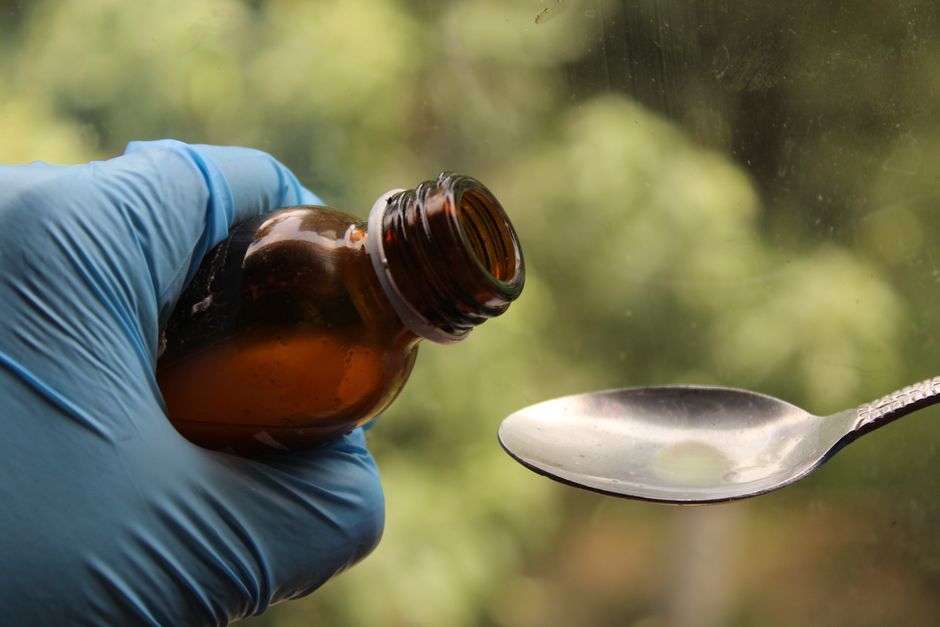
nutrition
A liquid multivitamin combines vitamins, minerals, or other nutrients in a drinkable liquid. The liquid format changes how the product is measured and stored. I
Read Guide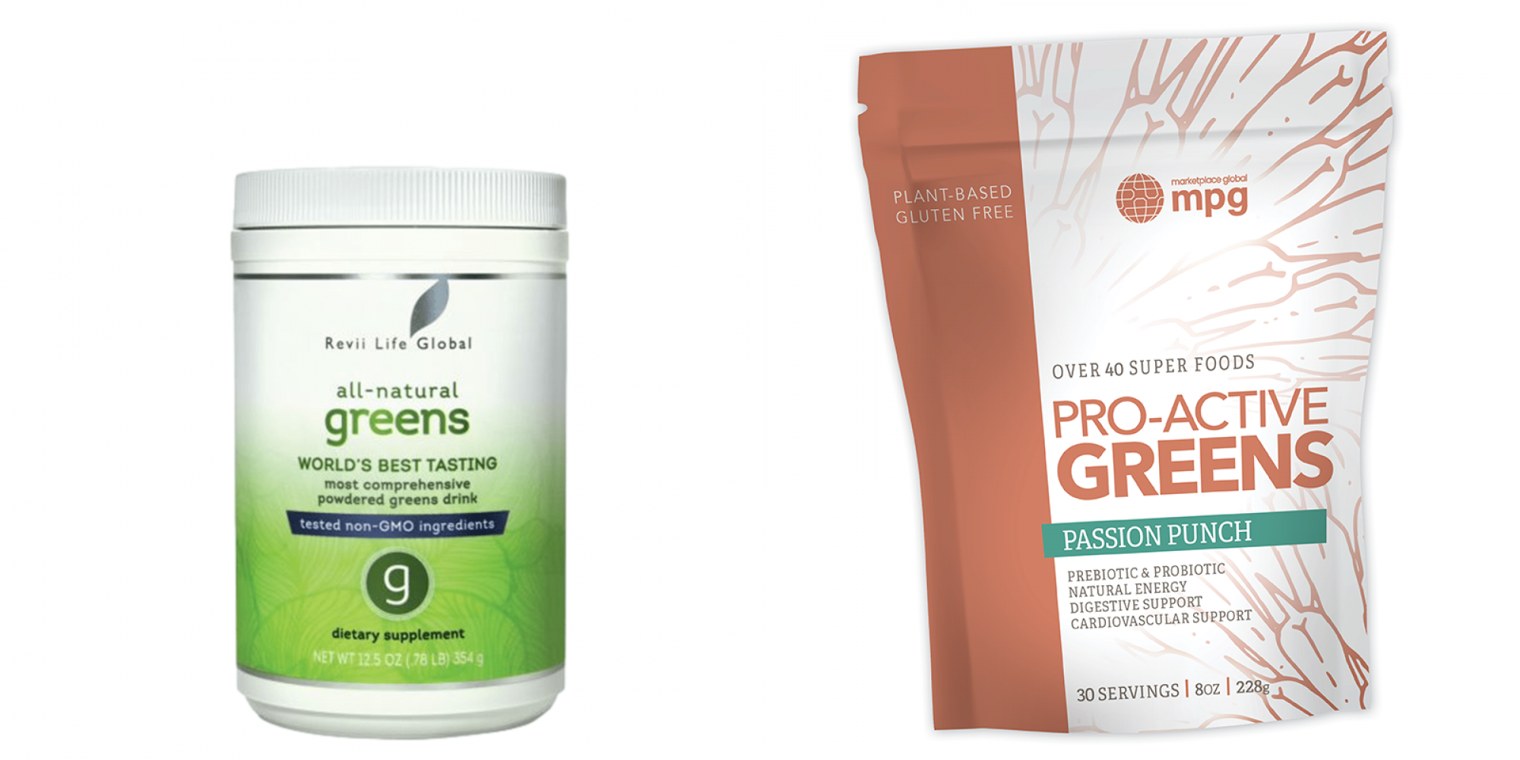
nutrition
MarketPlace Global lists All-Natural Greens and Pro-Active Greens as separate products. Both sit in the greens category, but the formulas differ. Pro-Active Gre
Read Guide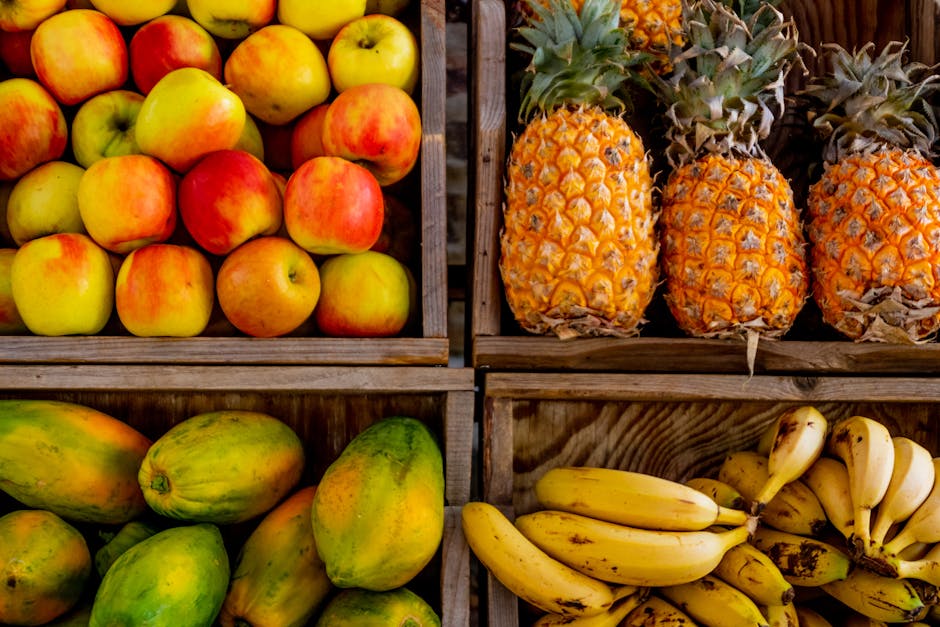
Ingredients
Digestive enzymes are proteins that help break down food components: amylase for starches, lipase for fats, protease for proteins, lactase for lactose and cellu
Read Guide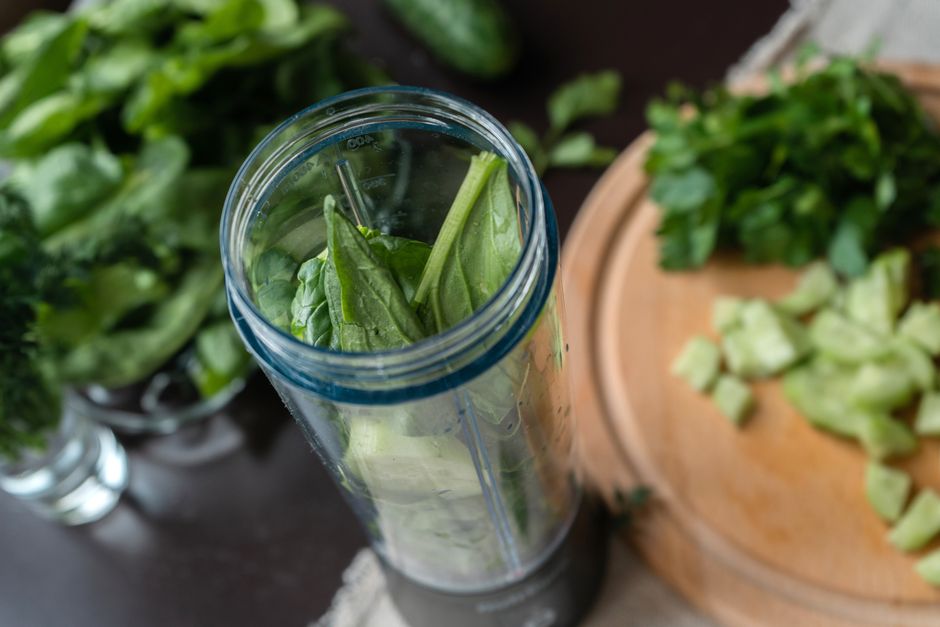
Ingredients
Chlorella is a freshwater green alga; spirulina is a blue-green alga (a cyanobacterium called Arthrospira). Both are dried and sold as dark green powders in gre
Read Guide
Nutrition Basics
'Superfood' is a marketing term, not a scientific or regulatory category. No official body defines it, and no food earns the label by meeting fixed criteria. It
Read Guide
Label Reading
Start with the serving size and servings per container, then work through the ingredient list: check whether each ingredient has a stated amount or is grouped i
Read Guide
Greens Powders
Greens powders and multivitamins are different categories of supplement. A greens powder is a blend of dried plant ingredients, sometimes with fibers, probiotic
Read Guide
Greens Powders
Whole foods provide fiber variety, volume, satiety and nutrients in natural proportions; greens powders provide convenience, long shelf life and specific dried
Read Guide
Greens Powders
No. No supplement is an equivalent replacement for a varied diet of whole vegetables and fruits. Whole vegetables provide water, volume, a broad mix of fibers a
Read Guide
Greens Powders
A greens powder is a powdered dietary supplement made from dried and powdered vegetables, grasses, algae and other plant ingredients, often with added fibers, p
Read Guide