
Greens Powders
Can Greens Powder Replace Vegetables?
Quick Answer
No. No supplement is an equivalent replacement for a varied diet of whole vegetables and fruits. Whole vegetables provide water, volume, a broad mix of fibers and nutrients in their natural proportions; a greens powder provides dried and concentrated plant ingredients in whatever amounts the formula includes. A powder can complement a vegetable-rich diet, but it does not substitute for one.
By ESX Editorial Team · Published Jun 2026 · Updated Jun 2026Reviewed by ESX Editorial Team
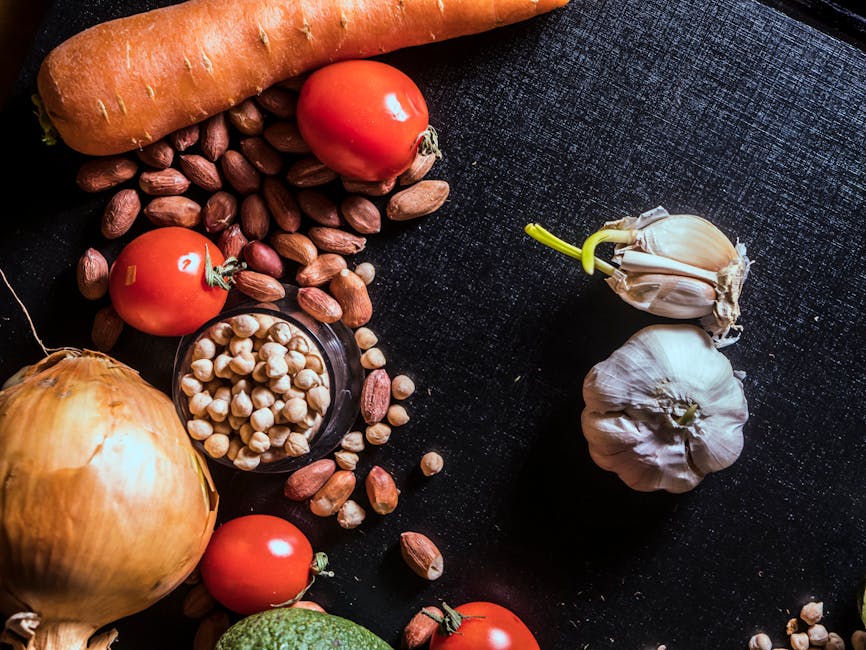
This is one of the most direct questions in everyday nutrition, so it deserves a direct answer: no, a greens powder does not replace vegetables. The more useful question is what each actually provides, and that is what this guide explains.
Why a Powder Is Not an Equivalent Replacement
A greens powder and a serving of vegetables differ in several structural ways:
- Water and volume. Fresh vegetables are mostly water. Removing the water to make a powder changes the physical form, the volume you consume and the satiety that comes with eating whole food.
- Fiber complexity. Vegetables deliver a mix of fiber types within a food matrix. A powder provides only the fibers its formula includes, in whatever amounts the label discloses.
- Nutrient proportions. A varied diet naturally balances nutrients across many foods. A single formula cannot reproduce that balance, and its nutrient content depends entirely on its recipe and how the ingredients were processed and dried.
- What processing leaves out. Drying and powdering concentrate some components and change others. What ends up in the final powder depends on the plant part used, harvest and processing choices, none of which you can verify from the front of the container.
- The eating experience itself. Chewing, meal structure and the habits built around vegetables are part of what a dietary pattern provides, independent of any single nutrient.
What a Greens Powder Actually Is
A greens powder is a supplement: a convenient way to add dried plant ingredients, and in some formulas fibers, probiotics, enzymes or added vitamins, to what you already consume. Nothing about that role is negative - it is simply a different job than the one vegetables do. See What Is a Greens Powder? for what these blends typically contain.
Convenience vs. Nutritional Complexity
The honest comparison is not "powder bad, vegetables good" but convenience versus complexity:
- What a powder does well: portability, a long shelf life, a measured serving, and plant ingredients some people otherwise rarely eat.
- What vegetables do well: everything above plus volume, satiety, fiber variety, and a nutrient matrix no single formula replicates.
If a powder helps someone add plant ingredients to days when their diet would otherwise include few, that is a reasonable use of a supplement. If a powder is used as permission to skip vegetables altogether, it is being asked to do a job no supplement can do.
What Public Health Guidance Says
Dietary guidance from bodies such as the NIH Office of Dietary Supplements consistently frames fiber and plant nutrients as best obtained from a varied diet, and describes supplements as additions that can help fill gaps - not as substitutes. That framing applies directly here.
If You Are Comparing Products
If you still choose to use a greens powder as a complement, the label is where the real differences are:
- Whether ingredients are listed with amounts or hidden in a blend
- Whether it contains caffeine-containing botanicals like green tea extract
- Sweeteners, flavorings and added vitamins
- Servings per container and cost per serving
Our label guide walks through each: How to Read a Greens Powder Ingredient Label.
The Takeaway
No supplement is an equivalent replacement for a varied diet of whole vegetables and fruits. A greens powder can complement a vegetable-rich diet by adding convenient plant ingredients, but the vegetables still matter - and no label claim changes that.
If you want to see how these terms look on a real label, the Pro-Active Greens category on MarketPlace Global lists the current formula and ingredient details.
Related Questions
- Is a greens powder as good as eating vegetables?
- What are the benefits of whole vegetables over powders?
- How should a greens powder be used?
- Do greens powders count toward my daily vegetables?
Sources & References
Related Reading
How to Read an Aloe Supplement Label
Read an aloe supplement label in order: identify the plant part (inner leaf gel, latex or whole leaf), note processing terms (stabilized, decolorized, filtered)
Aloe Vera Juice vs. Gel vs. Powder
Aloe vera juice is a liquid product; aloe gel refers to the inner-leaf material itself (also sold as topical products); aloe powder is a dried, concentrated for
How Aloe Vera Goes From Plant to Powder
Aloe powder is made by harvesting leaves, separating the inner gel (or processing whole leaf), stabilizing the gel, concentrating it, and drying it - commonly b
Keep Exploring
Explore more in Daily Nutrition
Where to Look Next
If this guide helped you compare options, the official MarketPlace Global Momentum store lists the current categories, labels and ingredient details: Pro-Active Greens on MarketPlace Global. Always review the current product label before purchasing.
Related Product Guide
If you're researching this topic, you may also want to review our guide to Pro-Active Greens.
Learn About Pro-Active Greens