
Maintenance
What Is a Cabin Air Filter and When Should It Be Replaced?
Quick Answer
A cabin air filter cleans the air entering the passenger compartment through the climate system, trapping dust, pollen and some exhaust particles. It is separate from the engine air filter. Most manufacturers suggest inspection or replacement roughly every 15,000 to 30,000 miles, or sooner in dusty conditions.
By Everyday Solutions Exchange Editorial · Published Oct 2026
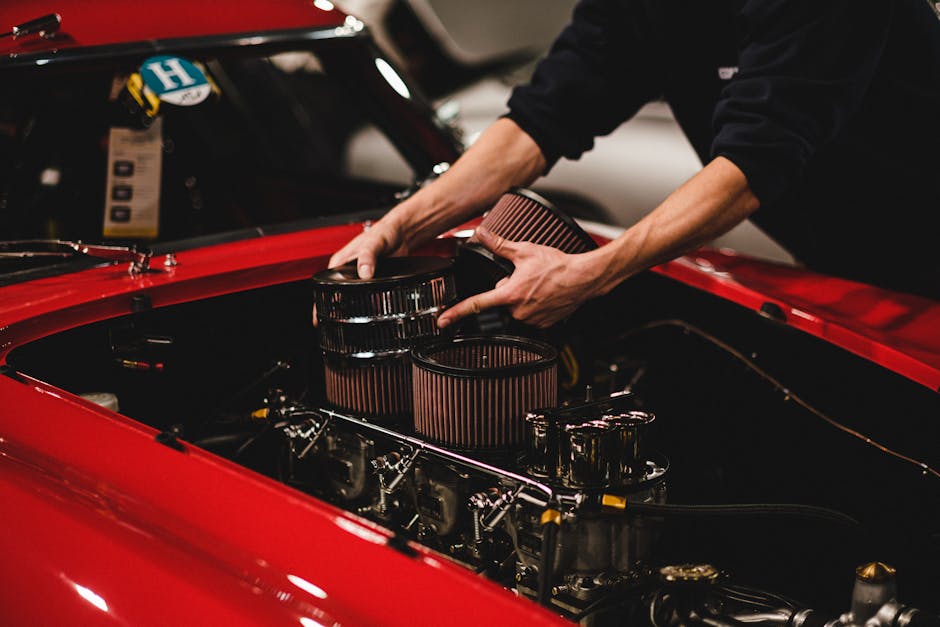
Two filters on a car sound similar and do completely different jobs. The engine air filter protects the engine. The cabin air filter protects the people inside.
What the Cabin Filter Does
Air for heating and air conditioning enters through the cowl area below the windshield and passes through the cabin filter before reaching the vents. The filter media traps dust, pollen, road grit and some soot. Many filters include an activated carbon layer intended to reduce odors and certain gases.
It does not sterilize the air, and it is not a substitute for keeping the interior clean. It is a particulate filter with a finite capacity.
Signs It Needs Attention
- Weak airflow from the vents, even at high fan speed
- A musty or dusty smell when the climate system starts
- Visible debris or discoloration on the filter when inspected
- Windows fogging more easily than they used to
- Allergy symptoms that seem worse in the car
None of these is conclusive on its own. The reliable check is to look at the filter.
Where It Is and How to Check It
Most cabin filters sit behind the glovebox, accessible by releasing the glovebox stops and removing a cover. Some vehicles place them under the hood near the cowl, and a few require more disassembly.
Before buying a replacement, confirm the part number for your model and year. Filters differ in dimensions, pleat count and whether they include a carbon layer. A filter that does not seal at the edges lets unfiltered air bypass it.
Replacement Interval
Manufacturer schedules vary widely. A common range is inspection every 15,000 to 30,000 miles, with replacement when dirty. Conditions shift the interval:
- Dusty or agricultural areas: replace more often.
- Heavy pollen seasons: check after the season.
- Urban traffic: more soot loading, so more frequent checks.
- Low annual mileage: check annually, since material can degrade even without use.
Engine Filter vs Cabin Filter
| Question | Engine air filter | Cabin air filter |
|---|---|---|
| Protects | The engine intake | The passenger compartment |
| Location | Engine bay | Behind glovebox or cowl |
| Typical interval | 15,000 to 30,000 miles | 15,000 to 30,000 miles |
| Failure symptom | Reduced power, poor economy | Weak airflow, odors |
A Note on "Antimicrobial" Filters
Some aftermarket filters advertise coatings that inhibit microbial growth on the filter itself. That is a claim about the filter medium, not about the air in the cabin. Treat it as a minor feature rather than a health guarantee.
Replacing a cabin filter is one of the simpler maintenance jobs, and it improves airflow and odor control noticeably when the old filter is loaded.
For related reading, see what is an oil filter.
Related Questions
- How often should a cabin air filter be changed?
- Can I drive without a cabin air filter?
- Does a cabin filter stop odors?
- Is the cabin filter the same as the engine filter?
Sources & References
Related Guides
Supplement Lot Numbers: How to Check a Recall
A lot number is a manufacturer code printed on the bottle or its label, often near the expiration date, that identifies the production batch. Recall notices lis
What Is Resistant Starch? Foods, Labels and Digestion
Resistant starch is starch that escapes digestion in the small intestine and reaches the colon, where gut microorganisms ferment it. It occurs naturally in food
What Does CFU Mean on a Probiotic Label?
CFU stands for colony-forming units, a count of live microorganisms able to multiply under test conditions. A label such as 10 billion CFU describes the amount
Keep Exploring
Explore more in Automotive
Where to Look Next
If this guide helped you compare options, the official MarketPlace Global Momentum store lists the current categories, labels and ingredient details: Automotive on MarketPlace Global. Always review the current product label before purchasing.