
Acemannan
What Is Acemannan?
Quick Answer
Acemannan is a long-chain polysaccharide - a complex sugar molecule - found in the inner gel of Aloe vera leaves. It is the component most often referenced in aloe research and on supplement labels. Research on acemannan as an isolated ingredient does not by itself establish that a finished commercial supplement will produce the same result.
By ESX Editorial Team · Published Aug 2026 · Updated Aug 2026Reviewed by ESX Editorial Team
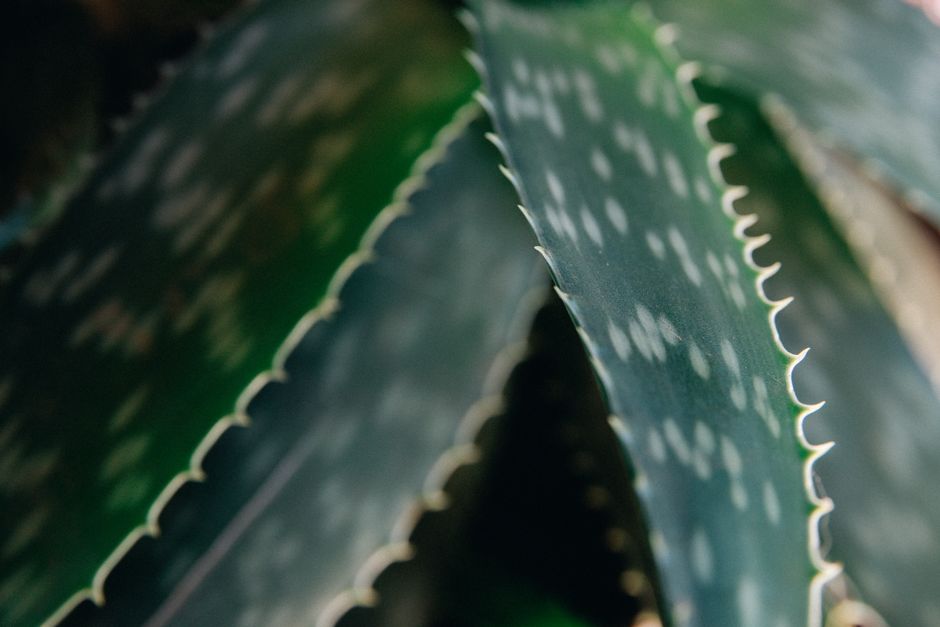
Acemannan is the specific aloe compound you are most likely to see named on a supplement label. This guide explains what it is, where it sits in the plant, and how to think about the research around it.
What Acemannan Is
Acemannan is a polysaccharide: a long chain of sugar molecules linked together. Specifically, it is a chain of repeating sugar units (predominantly mannose, which is why it is sometimes called a mucopolysaccharide or acetylated mannan) found in the inner gel of Aloe vera leaves - the clear, jelly-like tissue inside the leaf. See Aloe Vera Gel vs. Aloe Latex vs. Whole Leaf for where exactly that is.
"Polysaccharide" in plain English: just as a single brick is a unit and a wall is built from bricks, a simple sugar is a unit and a polysaccharide is a long chain of them. Starch and cellulose are polysaccharides you know from food; acemannan is the polysaccharide characteristic of aloe inner gel.
Why Researchers Study It
Acemannan is the largest molecular component of aloe inner gel and is the compound most often referenced in aloe research and in descriptions of aloe materials. Because it can be identified, measured and standardized, it is the marker that gives aloe preparations a defined chemical identity - which is why it appears in research contexts and on labels as a named component.
It is also, in plain terms, the reason different aloe products can be meaningfully compared: a preparation standardized to a stated acemannan level is a defined material, whereas "aloe vera" alone can refer to many things.
Ingredient Research vs. Finished-Product Evidence
This is the framing that matters most for anyone reading aloe supplement marketing:
Research on an isolated ingredient does not by itself establish that a finished commercial supplement will produce the same result.
Studies of acemannan - at particular doses, in particular forms and preparations, in particular settings - exist in the scientific literature, and NCCIH maintains reference material on aloe vera as a botanical. But studies of an isolated compound do not automatically transfer to every commercial product that contains it, because products differ in dose, form, processing and the rest of their formulation. Product-level questions require product-level evidence.
Practical consequences:
- A label naming acemannan is a fact about composition, not a claim about results.
- Dose and form matter. A stated milligram amount of a defined material is verifiable information; a vague "contains aloe vera" is not.
- No aloe ingredient - acemannan included - is a treatment or cure for any disease. Anyone considering supplements for a health condition should consult a healthcare professional.
Where Acemannan Appears
- Aloe inner gel and its derivatives - see How Aloe Vera Goes From Plant to Powder for the processing chain
VeraCell, a powdered supplement from MarketPlace Global, identifies Acemannan derived from the inner gel of Aloe vera as a component. This article makes no claims about that product; its guide page states format and directions only.
Reading a Label That Names Acemannan
- Check whether an amount per serving is stated (milligrams or a standardization percentage).
- Check the plant part and processing terminology - "inner leaf gel" is the specific source of acemannan. See How to Read an Aloe Supplement Label.
- Read the warnings and suggested use as you would for any supplement.
The Takeaway
Acemannan is a long-chain polysaccharide from the inner gel of Aloe vera leaves - the compound most often referenced in aloe research and on labels. It gives aloe preparations a defined chemical identity, and it is a fact about composition rather than a claim about results: ingredient research does not by itself establish what a finished supplement will do.
If you want to see these terms applied, the VeraCell category on MarketPlace Global lists the current aloe vera formula and label details.
Related Questions
- What is acemannan made of?
- Where does acemannan come from in the aloe plant?
- Why is acemannan studied?
- Does acemannan research prove product results?
Sources & References
Related Reading
How to Read an Aloe Supplement Label
Read an aloe supplement label in order: identify the plant part (inner leaf gel, latex or whole leaf), note processing terms (stabilized, decolorized, filtered)
Aloe Vera Juice vs. Gel vs. Powder
Aloe vera juice is a liquid product; aloe gel refers to the inner-leaf material itself (also sold as topical products); aloe powder is a dried, concentrated for
How Aloe Vera Goes From Plant to Powder
Aloe powder is made by harvesting leaves, separating the inner gel (or processing whole leaf), stabilizing the gel, concentrating it, and drying it - commonly b
Keep Exploring
Explore more in Aloe & Acemannan
Where to Look Next
If this guide helped you compare options, the official MarketPlace Global Momentum store lists the current categories, labels and ingredient details: VeraCell on MarketPlace Global. Always review the current product label before purchasing.
Related Product Guide
If you're researching this topic, you may also want to review our guide to VeraCell.
Learn About VeraCell