
detergents
How Much Laundry Detergent Should You Use?
Quick Answer
The right dose of laundry detergent depends on load size, soil level, water hardness, and washer type. Start with the cap line that matches your load, then adjust. Small lightly soiled loads in soft water need less, large muddy loads in hard water need more.
By ESX Editorial Team · Published Sep 2026 · Updated Sep 2026Reviewed by ESX Editorial Team
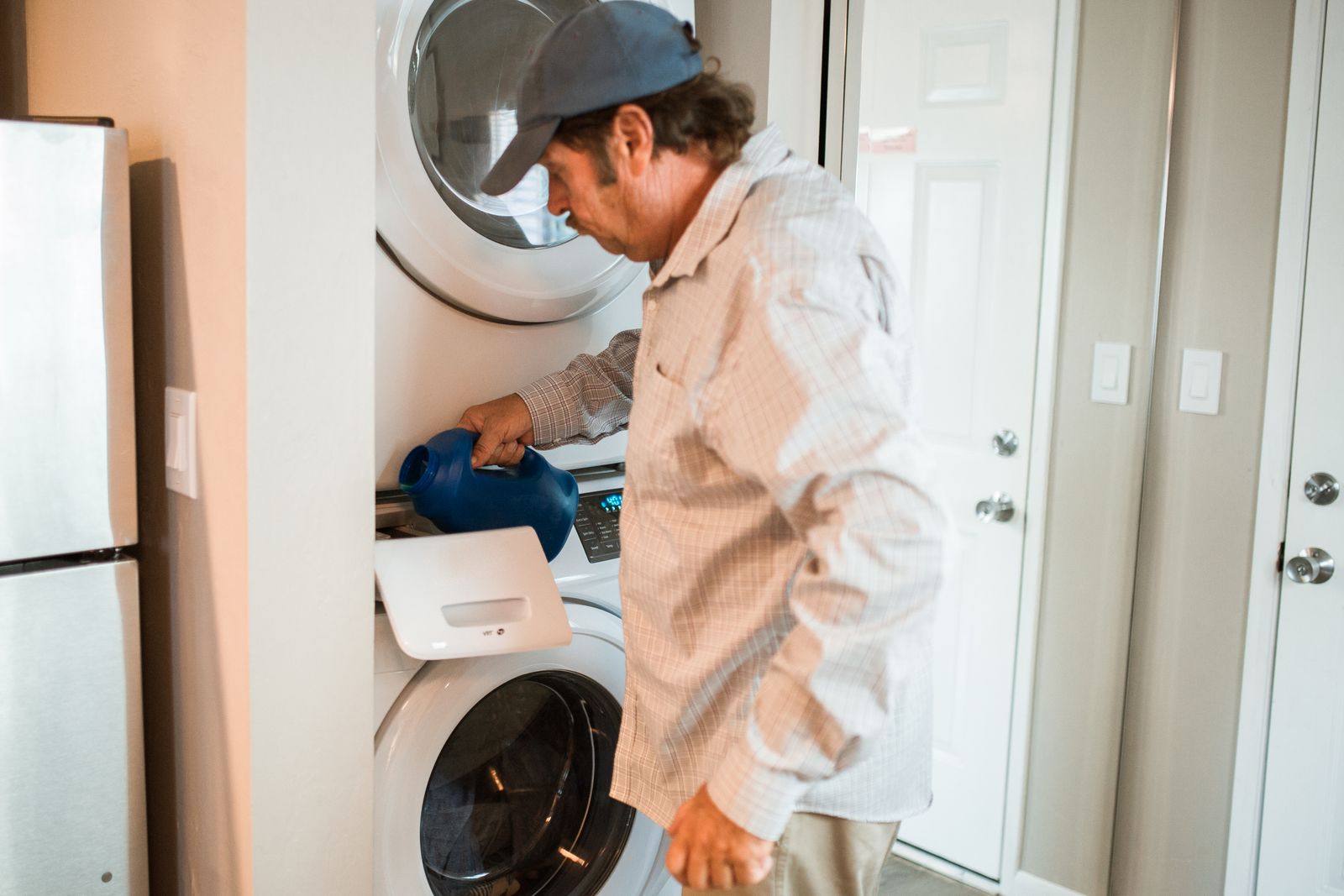
Detergent dosing is less mysterious than it looks. The cap already contains the answer, and the variables that change it are only four. Learn those four and you can dose any bottle on the shelf without guessing.
The four variables that change the dose
Every detergent label compresses the same logic into its dose lines. These are the variables underneath:
- Load size, because a bigger load has more fabric to clean
- Soil level, because muddy garden clothes need more cleaning power than office shirts
- Water hardness, because minerals in hard water reduce how well detergent works
- Washer type, because high efficiency machines use less water and need less detergent
Read the cap lines for your load size first, then adjust once for soil and once for water. That is the whole method.
Reading the cap correctly
Most liquid detergent caps have interior lines marked for small, medium, and large loads, sometimes with a second set for concentrated formulas or hard water. Powder scoops work the same way with volume marks instead of lines. The lines assume a moderately soiled load in average water.
Two habits break the system. Eyeballing a splash instead of pouring to a line adds an unknown amount every time. And filling the cap to the top because more seems better ignores that detergent is a cleaning chemical, not a flavoring.
Adjusting for your water
Water hardness is the variable people skip most often. Hard water carries calcium and magnesium that bind with detergent, so more product is needed to keep enough free surfactant available for cleaning. If your area has hard water and whites come out gray, a slight dose increase is the standard first move.
Detergent is measured in lines and scoops, not glugs. A pour you can see is a pour you cannot repeat, and inconsistency is what makes results unpredictable.
Soft water is the opposite case. Detergent works more efficiently in it, so doses can drop below the label line without losing cleaning power.
Signs your dose is wrong
Too little detergent shows up as dull whites, lingering odors, and clothes that never quite look clean. Too much shows up as stiff fabric, soap film on the drum, and occasionally itchy skin from residue. Both patterns are fixable, and our article on why too much laundry detergent causes problems details the overside.
For washer specific dosing, our guide on front load vs top load detergent use explains how machine design shifts the numbers.
Putting It Together
Dosing laundry detergent comes down to four inputs, load size, soil, water hardness, and washer type, and the cap already encodes them. Pour to the line, adjust once for soil and once for water, and let the results tell you whether the next wash needs a nudge up or down. Small changes, checked over a few loads, will land you on the right dose.
Related Questions
- How much detergent do I need for a medium load?
- Does hard water require more detergent?
- What happens if I use too much detergent?
- Do HE washers need a different detergent dose?
Sources & References
Related Reading
What Does pH Balanced Mean?
pH measures how acidic or alkaline a liquid is on a scale from 0 to 14, and pH balanced on a personal care label means the formula was adjusted to a target pH,
Liquid Soap vs Body Wash
Liquid soap and body wash are both pump or squeeze cleansers for skin, and the terms overlap on store shelves. The usual distinction is that liquid soap is made
Roll-On vs Stick vs Spray Deodorant
Roll-on, stick, and spray deodorants carry similar formulas in different delivery systems. The format changes application, texture, drying time, and portability
Keep Exploring
Explore more in Home Care
Where to Look Next
If this guide helped you compare options, the official MarketPlace Global Momentum store lists the current categories, labels and ingredient details: Laundry Wash on MarketPlace Global. Always review the current product label before purchasing.
Related Product Guide
If you're researching this topic, you may also want to review our guide to Laundry Wash.
Learn About Laundry Wash