
Greens Powders
Greens Powder vs. Whole Foods
Quick Answer
Whole foods provide fiber variety, volume, satiety and nutrients in natural proportions; greens powders provide convenience, long shelf life and specific dried plant ingredients in a measured scoop. Neither is universally better - they serve different roles, and the comparison below breaks the difference into six practical factors.
By ESX Editorial Team · Published Jun 2026 · Updated Jun 2026Reviewed by ESX Editorial Team
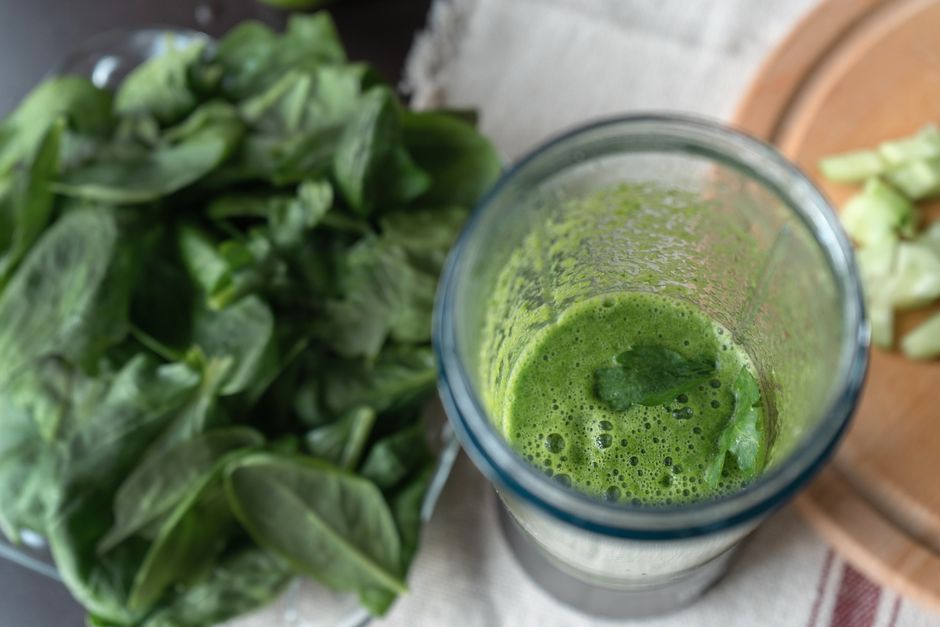
"Greens powder or whole foods?" is usually asked as if one must win. In practice they do different jobs, and the useful comparison is factor by factor. Here is that comparison without declaring a universal winner.
The Six-Factor Comparison
| Factor | Greens powder | Whole foods (vegetables, fruit) |
|---|---|---|
| Fiber | Only the fibers included in the formula, in disclosed or undisclosed amounts | A broad, varied mix of soluble and insoluble fibers across foods |
| Variety | Fixed by the formula; every serving is identical | Naturally varied across meals, seasons and cuisines |
| Convenience | Mix and drink; long shelf life; portable | Requires shopping, washing, prep and cooking; perishable |
| Serving information | Exact grams per scoop on the label | Not quantified per fiber; total fiber on nutrition labels |
| Ingredient transparency | Varies widely - full disclosure on good labels, proprietary blends on others | Complete by definition - you know exactly what an apple is |
| Cost considerations | Ongoing cost per serving, often notable per month | Varies by season, region and choices; usually lower per serving |
What the Table Means in Practice
Fiber. Vegetables and fruit deliver fiber types that vary from food to food. A greens powder provides only what its formula contains, and many formulas do not disclose amounts for each fiber. If fiber variety is the goal, whole foods have a structural advantage. See Soluble vs. Insoluble Fiber: What's the Difference?.
Variety. A powder is one recipe. A diet is many. Even a well-designed formula cannot cover the range of plant foods a varied diet includes over a week.
Convenience. This is where powders earn their place. Travel days, shifts, low-appetite periods - a shelf-stable scoop is genuinely easier than preparing vegetables, and consistency matters more than perfection over time.
Serving information. A label states exactly how many grams of each disclosed ingredient you get per serving. With a carrot, you get total fiber on the nutrition panel but no breakdown by fiber type. Different information for different purposes.
Ingredient transparency. A whole food is fully transparent by nature. A supplement is only as transparent as its label - which is why reading it matters. See How to Read a Greens Powder Ingredient Label and What Does 'Proprietary Blend' Mean on a Supplement Label?.
Cost. Powders carry a meaningful per-serving cost that adds up monthly. Seasonal vegetables are often cheaper per serving, though this varies by where you live and what you buy.
Where Each Fits
- Whole foods remain the foundation: variety, fiber mix, volume and satiety come from foods.
- A greens powder is a supplement to that foundation - convenient, shelf-stable and measurable, but not an equivalent substitute. See Can Greens Powder Replace Vegetables?.
The Takeaway
Whole foods win on fiber variety, natural nutrient balance and transparency; greens powders win on convenience and quantified serving information. Framed as competing options, the question answers itself poorly; framed as different roles, both can have a place - with food first.
If you want to see how these terms look on a real label, the Pro-Active Greens category on MarketPlace Global lists the current formula and ingredient details.
Related Questions
- Is a greens powder cheaper than vegetables?
- Do greens powders have fiber?
- Are greens powders transparent about ingredients?
- What do whole vegetables provide that powders do not?
Sources & References
Related Reading
How to Read an Aloe Supplement Label
Read an aloe supplement label in order: identify the plant part (inner leaf gel, latex or whole leaf), note processing terms (stabilized, decolorized, filtered)
Aloe Vera Juice vs. Gel vs. Powder
Aloe vera juice is a liquid product; aloe gel refers to the inner-leaf material itself (also sold as topical products); aloe powder is a dried, concentrated for
How Aloe Vera Goes From Plant to Powder
Aloe powder is made by harvesting leaves, separating the inner gel (or processing whole leaf), stabilizing the gel, concentrating it, and drying it - commonly b
Keep Exploring
Explore more in Daily Nutrition
Where to Look Next
If this guide helped you compare options, the official MarketPlace Global Momentum store lists the current categories, labels and ingredient details: Pro-Active Greens on MarketPlace Global. Always review the current product label before purchasing.