
Processing
How Aloe Vera Goes From Plant to Powder
Quick Answer
Aloe powder is made by harvesting leaves, separating the inner gel (or processing whole leaf), stabilizing the gel, concentrating it, and drying it - commonly by freeze-drying or spray-drying - into a powder. Powders may be standardized to an acemannan level, which is the figure to look for on the label.
By ESX Editorial Team · Published Aug 2026 · Updated Aug 2026Reviewed by ESX Editorial Team
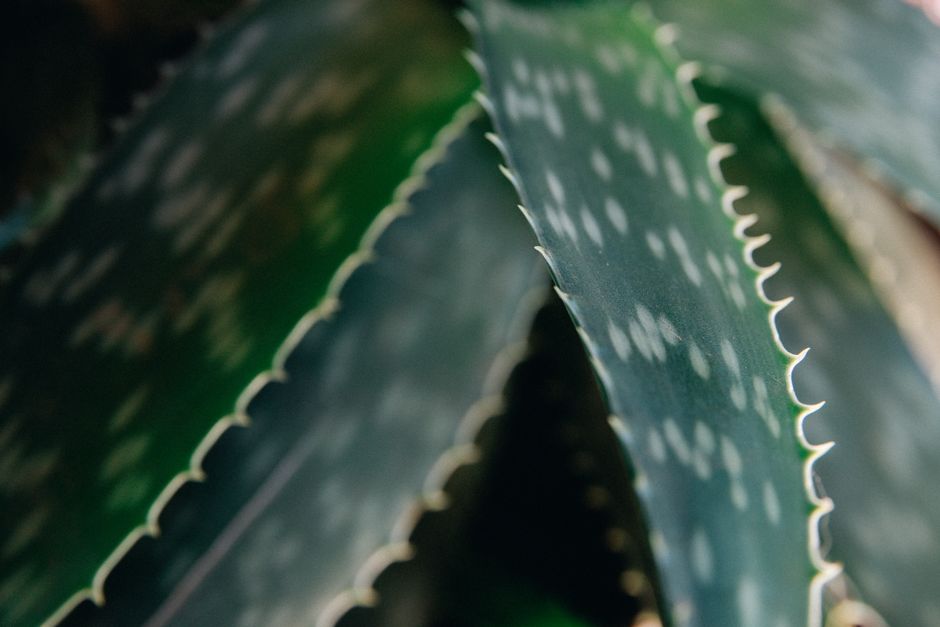
Most aloe supplements are sold as powders, but the powder is the last step in a chain of choices - which leaf part, how it is stabilized, how it is dried. Understanding that chain explains why labels differ so much.
Step 1: Harvest
Aloe leaves are harvested from the plant, typically the outer, mature leaves, which are cut near the base. Timing between harvest and processing matters: like any cut plant material, aloe begins to oxidize once harvested, so commercial processing happens quickly.
Step 2: Separating the Leaf Parts
This is where the material identity gets fixed:
- For inner-leaf gel products, the leaves are filleted - the rind is removed and the clear gel is separated from the latex layer beneath the skin. The distinction between gel, latex and whole leaf is covered in Aloe Vera Gel vs. Aloe Latex vs. Whole Leaf.
- For whole-leaf products, the entire leaf is ground or pressed, and later steps may include filtering or decolorizing to reduce aloin content.
Step 3: Stabilization
Fresh aloe gel oxidizes and degrades quickly. Stabilization - controlled processing designed to preserve the material - is a standard step before concentration and drying. This is why processing terminology (stabilized, purified, decolorized) appears on labels: it describes real steps that affect the final material.
Step 4: Concentration
The liquid gel is concentrated by removing water. Concentration is often described with ratio terminology: a 100:1 concentrate means 100 parts of liquid gel were reduced to 1 part of concentrate. Ratio terms matter for reading labels because they explain how much original material a given weight of powder represents - see What Are Botanical Extracts? for how ratio terminology works generally.
Step 5: Drying
The concentrated material is dried into a powder. Common methods:
- Freeze-drying (lyophilization): water is removed by freezing and sublimation at low temperature, a gentle process often used to preserve heat-sensitive compounds
- Spray-drying: the concentrate is sprayed into hot air, evaporating water quickly; faster and cheaper, with more heat exposure
- Other drying methods exist, and the method affects the final powder's characteristics
The drying method is a processing fact - it is not a quality claim by itself.
Step 6: Standardization
Many commercial aloe powders are standardized to a stated acemannan level - for example, a percentage of the powder. Standardization means the material is adjusted so each batch contains the named compound level, which is what makes a stated milligram amount per serving meaningful. See What Is Acemannan?.
Reading the Final Label
The chain above maps directly onto label terms:
- Plant part: inner leaf gel vs. whole leaf
- Processing terms: stabilized, filtered, decolorized, purified
- Concentration ratio: e.g. 100:1 or 200:1 concentrate
- Standardization: acemannan percentage or milligrams per serving
- Serving size: how much powder constitutes one serving
See How to Read an Aloe Supplement Label for the complete checklist, and Aloe Vera Juice vs. Gel vs. Powder for how the finished forms compare.
The Takeaway
Aloe powder is the end of a chain: harvest, leaf-part separation, stabilization, concentration, drying and often standardization. Each step appears on the label as a term - plant part, stabilization, ratio, acemannan level - and those terms are what make one aloe powder meaningfully comparable to another.
If you want to see these terms applied, the VeraCell category on MarketPlace Global lists the current aloe vera formula and label details.
Related Questions
- How is aloe vera powder made?
- What does 100:1 aloe concentrate mean?
- Why is aloe stabilized?
- What does standardized acemannan mean?
Sources & References
Related Reading
How to Read an Aloe Supplement Label
Read an aloe supplement label in order: identify the plant part (inner leaf gel, latex or whole leaf), note processing terms (stabilized, decolorized, filtered)
Aloe Vera Juice vs. Gel vs. Powder
Aloe vera juice is a liquid product; aloe gel refers to the inner-leaf material itself (also sold as topical products); aloe powder is a dried, concentrated for
Keep Exploring
Explore more in Aloe & Acemannan
Where to Look Next
If this guide helped you compare options, the official MarketPlace Global Momentum store lists the current categories, labels and ingredient details: VeraCell on MarketPlace Global. Always review the current product label before purchasing.