
cleansers
Liquid Soap vs Body Wash
Quick Answer
Liquid soap and body wash are both pump or squeeze cleansers for skin, and the terms overlap on store shelves. The usual distinction is that liquid soap is made through saponification while body wash is built from synthetic surfactants, though the label is the only reliable way to tell what you are holding.
By ESX Editorial Team · Published Sep 2026 · Updated Sep 2026Reviewed by ESX Editorial Team
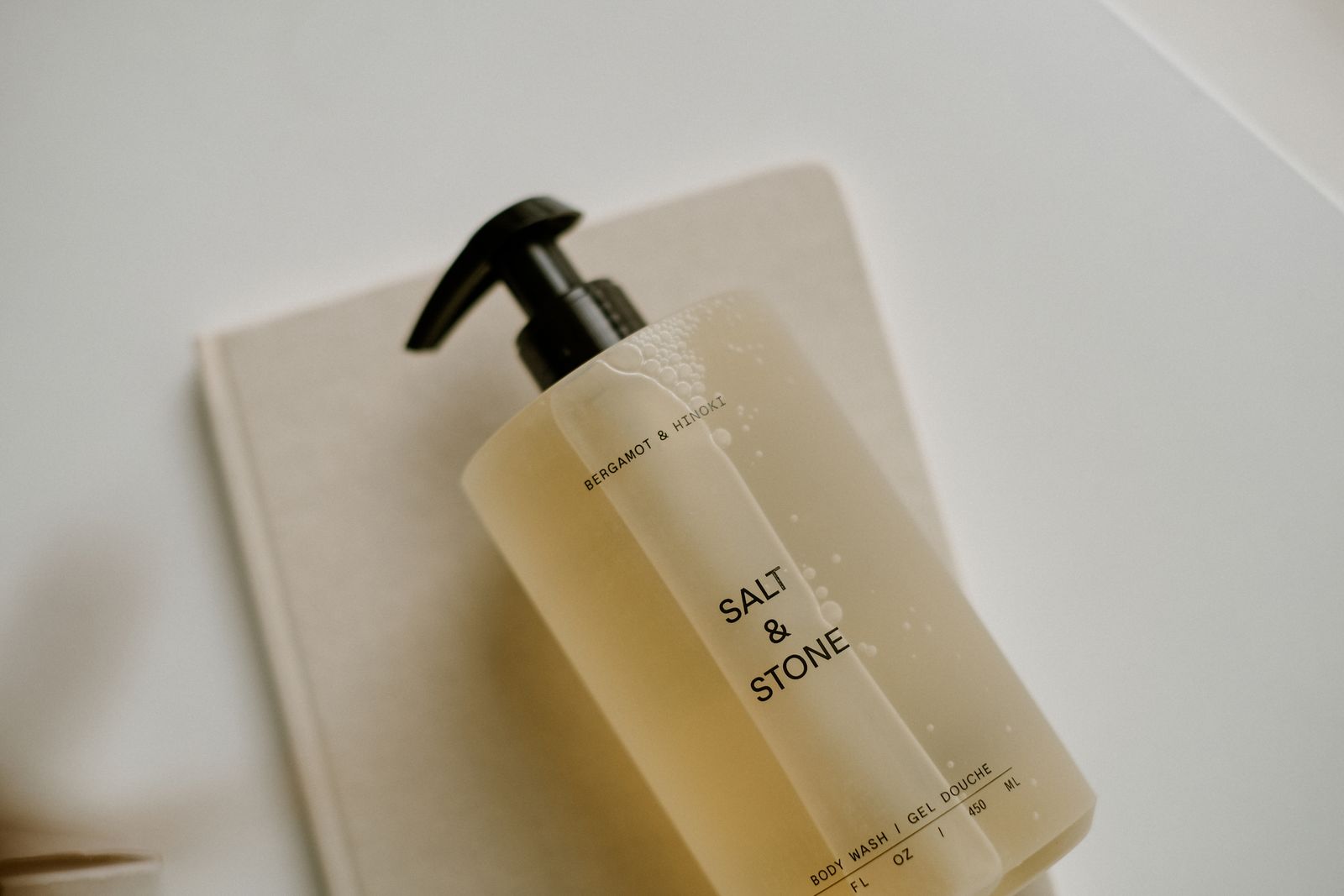
Liquid soap and body wash fill the same bottles, sit in the same aisle, and get used in the same shower. The names are not standardized, so the difference between two products often comes down to how the cleansing ingredients were made rather than what the front of the bottle announces. Here is how the two categories are usually defined and how to tell them apart in practice.
The usual distinction
Traditional liquid soap is made by saponification, the same chemical reaction that makes bar soap. Fats or oils react with an alkali, producing soap molecules and glycerin. On an ingredient list, saponified oils appear with names like potassium cocoate or potassium olivate.
Body wash is built from synthetic surfactants, which are cleansing molecules manufactured rather than formed through saponification. Common examples on labels include sodium laureth sulfate, cocamidopropyl betaine, and other ingredients whose names end in combinations of chemical roots. Surfactant-based formulas are easier to tune for mildness, foam quality, and a specific pH.
Because both products are liquids sold for washing skin, many brands use the terms loosely, and some products are genuinely hybrids. The ingredient list settles it.
What the ingredient list shows
Read the first few lines, which list ingredients in descending order of amount:
- Water comes first in both product types
- Cleansing agents follow. Potassium or sodium salts of oils point to true liquid soap, while sulfate or betaine surfactants point to a body wash
- Moisturizers such as glycerin appear in both, added to offset the drying effect of any cleanser
- Fragrance and preservatives follow, with preservatives required in any water-based formula
Our walkthrough in the personal care section breaks down each label section in order.
Skin feel and pH terminology
Cleansers differ in how they leave skin feeling, and the labels use specific words for it. Terms like moisturizing, gentle, or for dry skin describe the added ingredients and the formula's intended feel. Claims like pH balanced describe the acidity of the formula, and our article on what pH balanced means explains what the phrase does and does not tell you.
A few patterns hold across both categories:
- Harshness follows the cleansing agents and their concentration, not the category name
- Added glycerin and oils soften the feel of any formula
Which one should you buy
There is no universal answer, because both categories contain mild formulas and harsh ones. A practical approach:
- If you prefer simple, short ingredient lists, true liquid soaps often have fewer total ingredients
- If you want a specific skin feel, body wash surfactant systems give formulators more control, so the options are wider
- If scent drives your choice, check whether the fragrance comes from added fragrance or from essential oils by reading the ingredient list
The bottle name describes marketing more than chemistry. The first five ingredients describe the product.
Putting It Together
Liquid soap and body wash are both liquid skin cleansers. Classic liquid soap is made by saponifying oils, while body wash is built from synthetic surfactants, and the ingredient list tells you which you are holding. Compare the first few lines of each label, match the formula to the skin feel you want, and treat the front-of-bottle category name as a starting point rather than a definition. Our guide to the Original Mineral Soap product shows how a concentrated liquid soap label reads in practice.
Related Questions
- Is liquid soap the same as body wash?
- How do I tell if a cleanser is real liquid soap?
- Which is gentler, liquid soap or body wash?
- Why do liquid soaps need preservatives?
Sources & References
Related Reading
What Does pH Balanced Mean?
pH measures how acidic or alkaline a liquid is on a scale from 0 to 14, and pH balanced on a personal care label means the formula was adjusted to a target pH,
Roll-On vs Stick vs Spray Deodorant
Roll-on, stick, and spray deodorants carry similar formulas in different delivery systems. The format changes application, texture, drying time, and portability
Keep Exploring
Explore more in Personal Care
Where to Look Next
If this guide helped you compare options, the official MarketPlace Global Momentum store lists the current categories, labels and ingredient details: Original Mineral Soap on MarketPlace Global. Always review the current product label before purchasing.
Related Product Guide
If you're researching this topic, you may also want to review our guide to Original Mineral Soap.
Learn About Original Mineral Soap