
Ingredients
What Is Green Tea Extract?
Quick Answer
Green tea extract is a concentrated preparation of compounds from green tea leaves (*Camellia sinensis*), typically including catechins such as EGCG and, in most preparations, caffeine. Because it is concentrated, a single extract serving can contain more of these compounds than a cup of brewed tea.
By ESX Editorial Team · Published Jul 2026 · Updated Jul 2026Reviewed by ESX Editorial Team
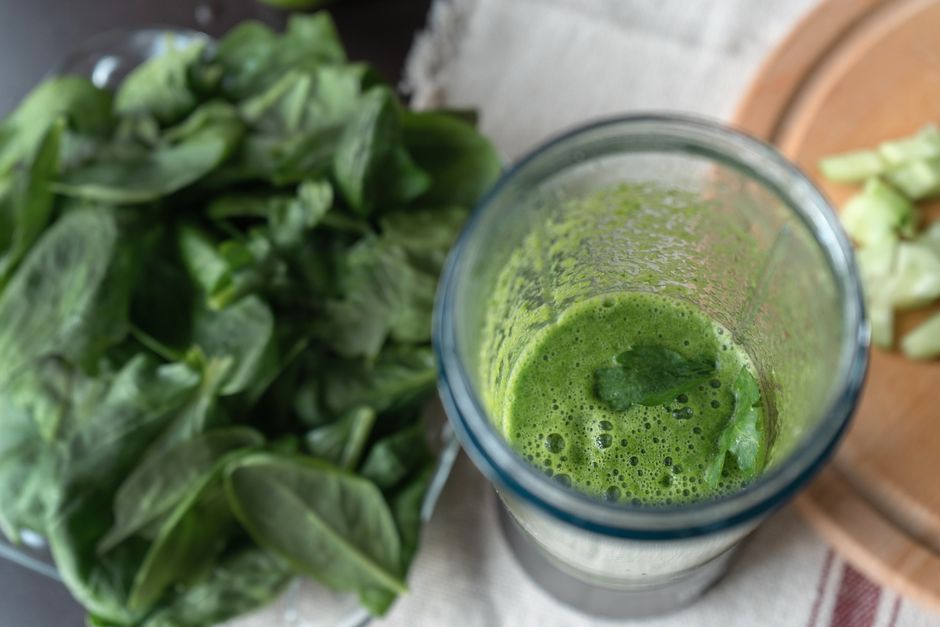
Green tea extract appears in many supplement categories - energy, focus, wellness blends. Understanding what "extract" means, and how it differs from the beverage, is the key to reading those labels.
What Green Tea Extract Is
Green tea comes from the leaves of Camellia sinensis - the same plant as black tea, differing mainly in processing. An extract is a concentrated preparation: compounds are pulled from the leaves using a solvent (often water or ethanol), then concentrated and dried. The result is a powder or liquid standardized to contain specific compounds.
The compounds most associated with green tea are catechins, a family of plant polyphenols - epigallocatechin gallate (EGCG) is the most discussed - and caffeine, which green tea naturally contains.
Brewed Tea vs. Extract
This is the distinction that matters most:
| Brewed green tea | Green tea extract | |
|---|---|---|
| Form | Beverage | Concentrated powder or liquid |
| Catechin content | Modest, varies with steeping | Concentrated, often standardized |
| Caffeine | ~28 mg per 8 oz cup | Varies by product; often higher per serving |
| Standardization | None - it is whatever the steep produces | Often labeled with a percentage (e.g. "50% EGCG") |
| Where you find it | Teacup | Supplements, energy products, some beverages |
The practical consequence of concentration: one serving of extract can deliver more catechins and caffeine than one cup of tea, which is why products containing extract can contribute to your daily caffeine intake even when they do not taste like tea. See Hidden Sources of Caffeine.
How It Appears on Labels
Look for:
- "Green tea extract" or Camellia sinensis extract in the ingredient list
- A standardization statement such as "standardized to 50% EGCG" - meaning the extract is adjusted to contain that proportion of the named compound
- A weight per serving (for example, 250 mg)
- Whether caffeine is stated separately, or not mentioned at all
A Note on Claims and Cautions
This article describes green tea extract as an ingredient. It makes no claims about weight, metabolism or any outcome - research on a concentrated ingredient does not by itself establish what a finished commercial product will do.
Two cautions are worth knowing as label-reading context:
- Caffeine contribution. Most extracts contain caffeine; if a product does not state the amount, the total caffeine is not fully quantified.
- Concentrated is not the same as better. Concentration is a processing fact, not a health claim, and very high catechin intakes from concentrated extracts have been associated with rare liver concerns in some individuals - one more reason to follow label directions and consult a healthcare professional if you have questions, take medications or have a liver condition.
The Takeaway
Green tea extract is a concentrated preparation of Camellia sinensis leaf compounds, typically including catechins like EGCG and caffeine. It differs from brewed tea in concentration and standardization, and its caffeine contribution may not be itemized on product labels.
If you want to compare a labeled option, the pHit category on MarketPlace Global states its caffeine amount per serving on the label.
Related Questions
- Does green tea extract have caffeine?
- What is EGCG?
- How is green tea extract different from green tea?
- What does standardized extract mean?
Sources & References
Related Reading
How to Read an Aloe Supplement Label
Read an aloe supplement label in order: identify the plant part (inner leaf gel, latex or whole leaf), note processing terms (stabilized, decolorized, filtered)
Aloe Vera Juice vs. Gel vs. Powder
Aloe vera juice is a liquid product; aloe gel refers to the inner-leaf material itself (also sold as topical products); aloe powder is a dried, concentrated for
How Aloe Vera Goes From Plant to Powder
Aloe powder is made by harvesting leaves, separating the inner gel (or processing whole leaf), stabilizing the gel, concentrating it, and drying it - commonly b
Keep Exploring
Explore more in Energy & Caffeine
Where to Look Next
If this guide helped you compare options, the official MarketPlace Global Momentum store lists the current categories, labels and ingredient details: pHit on MarketPlace Global. Always review the current product label before purchasing.