
Ingredients
What Is Inulin?
Quick Answer
Inulin is a soluble, fermentable fiber - a fructan - found naturally in chicory root, onions, garlic, leeks, Jerusalem artichoke and bananas. On supplement and food labels it usually appears as 'inulin' or 'chicory root fiber' and is added as a prebiotic fiber and, in foods, sometimes as a mild sweetener or fat replacer.
By ESX Editorial Team · Published Jun 2026 · Updated Jun 2026Reviewed by ESX Editorial Team
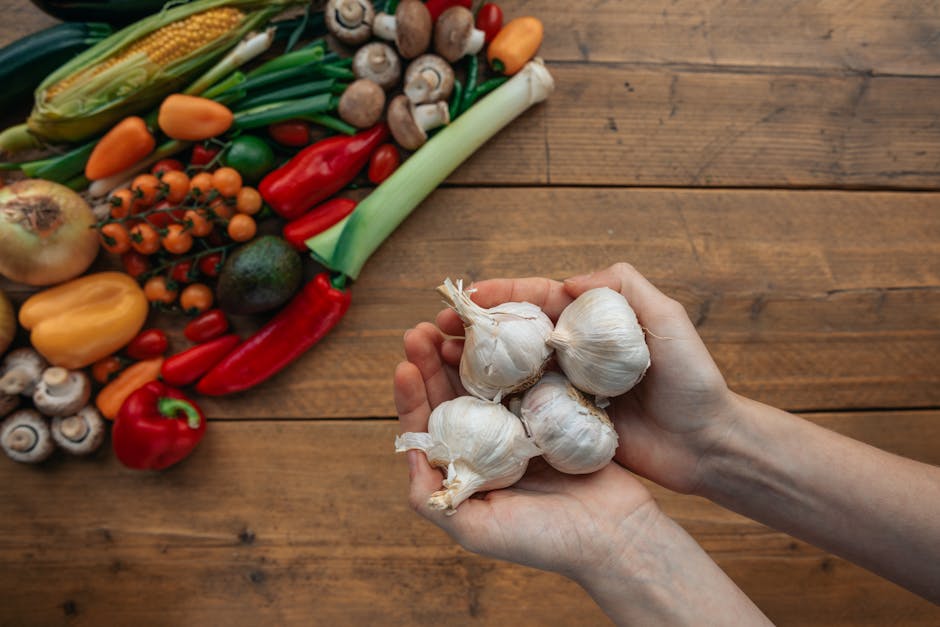
Inulin is one of the most frequently listed fiber ingredients on supplements and packaged foods. Here is what it is, where it comes from, and why it appears on so many labels.
What Inulin Is
Inulin is a fructan: a chain of fructose molecules linked together, with typically a glucose molecule at the end. It belongs to the family of soluble, fermentable fibers. Because humans lack the enzymes to digest fructans in the small intestine, inulin travels to the colon largely intact, where gut microorganisms can ferment it. That fermentability is the reason it is categorized as a prebiotic fiber.
Where Inulin Comes From
Commercial inulin is most often extracted from chicory root. In the diet, inulin occurs naturally in:
- Chicory root
- Jerusalem artichoke (sunchoke)
- Onions and garlic
- Leeks
- Asparagus
- Bananas (small amounts, along with resistant starch)
- Wheat (small amounts, in some varieties)
The concentration varies widely by food, by ripeness and by preparation, which is why whole foods do not come with an inulin figure on the label.
Why It Appears on Labels
Inulin shows up on labels for a few distinct reasons:
- As a fiber supplement ingredient - sold as a powder on its own or included in blends, where it is listed with its grams per serving.
- As a prebiotic ingredient in multi-ingredient products - greens powders, drink mixes and nutrition bars often include inulin among their fiber ingredients.
- In ordinary foods - yogurts, snack bars and beverages use inulin (sometimes called "chicory root fiber") to add fiber, provide mild sweetness, or improve texture.
Because inulin is roughly 10% sweeter than sugar by some measures and dissolves well, food manufacturers use it in all three roles, sometimes in the same product.
Inulin on a Greens Powder Label
If you are reading a greens powder label, inulin is one of the ingredients worth locating, because its position in the ingredient list tells you something about how much is present relative to other ingredients. See How to Read a Greens Powder Ingredient Label for the full method, and What Is a Greens Powder? for what else these blends typically contain.
Practical Notes
- Amount matters. Small amounts are well tolerated by most people; larger servings of inulin are a common cause of gas and bloating, since the mechanism is fermentation by gut microbes.
- FODMAP sensitivity. Inulin is a FODMAP, so people following a low-FODMAP approach for medical reasons usually pay attention to it specifically. Anyone in this situation should work with a healthcare professional.
- Sources vary. "Chicory root fiber" and "inulin" generally refer to the same ingredient from the same plant; agave inulin is a less common alternative source.
The Takeaway
Inulin is a soluble fermentable fiber from plants like chicory root, onions and Jerusalem artichoke. It appears on labels as a prebiotic fiber and food ingredient. As with any fiber, the useful information is the named source and the grams per serving, which you can check directly on any label.
If you want to see how these terms look on a real label, the Pro-Active Greens category on MarketPlace Global lists the current formula and ingredient details.
Related Questions
- Is inulin the same as chicory root fiber?
- Does inulin cause gas and bloating?
- Is inulin a prebiotic or a probiotic?
- Which foods naturally contain inulin?
Sources & References
Related Reading
How to Read an Aloe Supplement Label
Read an aloe supplement label in order: identify the plant part (inner leaf gel, latex or whole leaf), note processing terms (stabilized, decolorized, filtered)
Aloe Vera Juice vs. Gel vs. Powder
Aloe vera juice is a liquid product; aloe gel refers to the inner-leaf material itself (also sold as topical products); aloe powder is a dried, concentrated for
How Aloe Vera Goes From Plant to Powder
Aloe powder is made by harvesting leaves, separating the inner gel (or processing whole leaf), stabilizing the gel, concentrating it, and drying it - commonly b
Keep Exploring
Explore more in Gut & Digestive Wellness
Where to Look Next
If this guide helped you compare options, the official MarketPlace Global Momentum store lists the current categories, labels and ingredient details: Pro-Active Greens on MarketPlace Global. Always review the current product label before purchasing.
Related Product Guide
If you're researching this topic, you may also want to review our guide to Pro-Active Greens.
Learn About Pro-Active Greens