
Prebiotics
Prebiotic Foods vs. Supplements: What's the Difference?
Quick Answer
Prebiotic foods - onions, garlic, bananas, oats, legumes - supply fermentable fibers together with vitamins, minerals and other plant compounds. Prebiotic supplements supply specific named fibers in measured amounts. They are different ways of getting fermentable fiber, and neither is automatically the better choice for everyone.
By ESX Editorial Team · Published Jun 2026 · Updated Jun 2026Reviewed by ESX Editorial Team
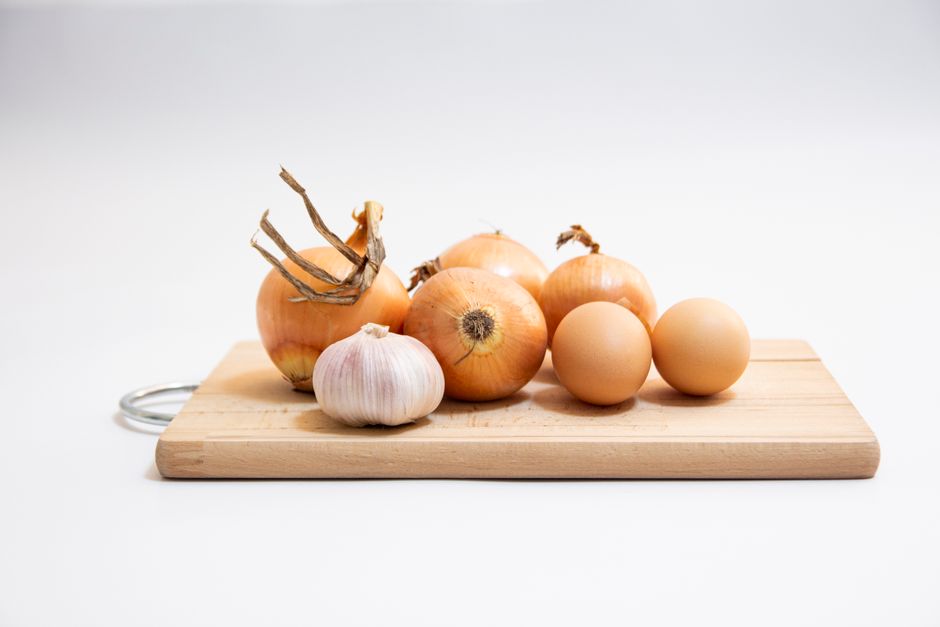
If you are interested in prebiotics, you have two practical options: eat foods naturally rich in fermentable fibers, or use a supplement that contains specific fiber ingredients. This guide compares the two without claiming that either is universally superior.
What Prebiotic Foods Provide
Foods rich in prebiotic-like fibers include:
- Onions, garlic, leeks - fructans such as inulin and FOS
- Chicory root and Jerusalem artichoke - especially inulin-rich
- Bananas - resistant starch, particularly when slightly underripe
- Oats and barley - beta-glucan
- Legumes - varied fermentable fibers
- Apples and other fruit - pectin and other fibers
When you eat these foods, the fiber arrives alongside everything else the food contains: vitamins, minerals, water, other fiber types and plant compounds. The amounts of any specific fiber are not printed anywhere - you simply cannot measure an onion the way you measure a scoop.
What Prebiotic Supplements Provide
A supplement provides named fibers in stated amounts. A label might say, for example, 5 grams of inulin per serving. That measurability is the clearest difference: with a supplement you know exactly how much of a specific fiber you are getting; with food you generally do not.
Side-by-Side Comparison
| Prebiotic foods | Prebiotic supplements | |
|---|---|---|
| Fiber type | A varied mix of fibers and plant compounds | Specific named fibers |
| Amount per serving | Not quantified | Stated in grams on the label |
| Other nutrients | Vitamins, minerals, water, other compounds | Only what is listed on the label |
| Convenience | Requires shopping, prep and cooking | Mix and drink; portable |
| Cost | Varies; ordinary groceries | Varies by product and serving count |
| Satiety and meal role | Part of a meal | An addition to a meal or drink |
A Food-First Framing
Public health guidance from bodies such as the NIH Office of Dietary Supplements emphasizes getting fiber from a varied diet, because foods deliver fiber in combination with many other nutrients. Supplements are described as additions that can help some people reach their fiber intake, not as substitutes for foods.
That framing does not mean supplements are inappropriate. Measured fiber servings are convenient, and some people find them easier to keep consistent than dietary changes. It simply means the two options do different jobs.
Practical Considerations
- Tolerance: both foods and supplements can cause gas or bloating, since the mechanism - fermentation by gut microbes - is the same. Increasing any fermentable fiber gradually is a common practical approach.
- Consistency: whichever option you choose, what matters for fiber intake over time is regularity, not any single serving.
- Label discipline: if you do use a supplement, check the named fibers, grams per serving and the ingredient list for anything beyond the fibers themselves.
- Personal circumstances: anyone with irritable bowel syndrome, a restricted diet or an ongoing medical condition should discuss fiber changes with a healthcare professional.
The Takeaway
Foods supply fermentable fibers in combination with everything else a food contains; supplements supply named fibers in measurable amounts. They are complementary options rather than competitors, and the right mix depends on your diet, preferences and circumstances.
If you want to see how these terms look on a real label, the Pro-Active Greens category on MarketPlace Global lists the current formula and ingredient details.
Related Questions
- Can I get enough prebiotics from food alone?
- How much inulin is in an onion?
- Are prebiotic supplements necessary?
- Which foods are highest in prebiotic fiber?
Sources & References
Related Reading
How to Read an Aloe Supplement Label
Read an aloe supplement label in order: identify the plant part (inner leaf gel, latex or whole leaf), note processing terms (stabilized, decolorized, filtered)
Aloe Vera Juice vs. Gel vs. Powder
Aloe vera juice is a liquid product; aloe gel refers to the inner-leaf material itself (also sold as topical products); aloe powder is a dried, concentrated for
How Aloe Vera Goes From Plant to Powder
Aloe powder is made by harvesting leaves, separating the inner gel (or processing whole leaf), stabilizing the gel, concentrating it, and drying it - commonly b
Keep Exploring
Explore more in Gut & Digestive Wellness
Where to Look Next
If this guide helped you compare options, the official MarketPlace Global Momentum store lists the current categories, labels and ingredient details: Pro-Active Greens on MarketPlace Global. Always review the current product label before purchasing.