
Home Care
What Are Surfactants?
Quick Answer
This guide explains how surfactants help water interact with oils and soils, and where the term appears on cleaning labels.
By Everyday Solutions Exchange Editorial · Published Sep 2026 · Updated Sep 2026Reviewed by Everyday Solutions Exchange Editorial
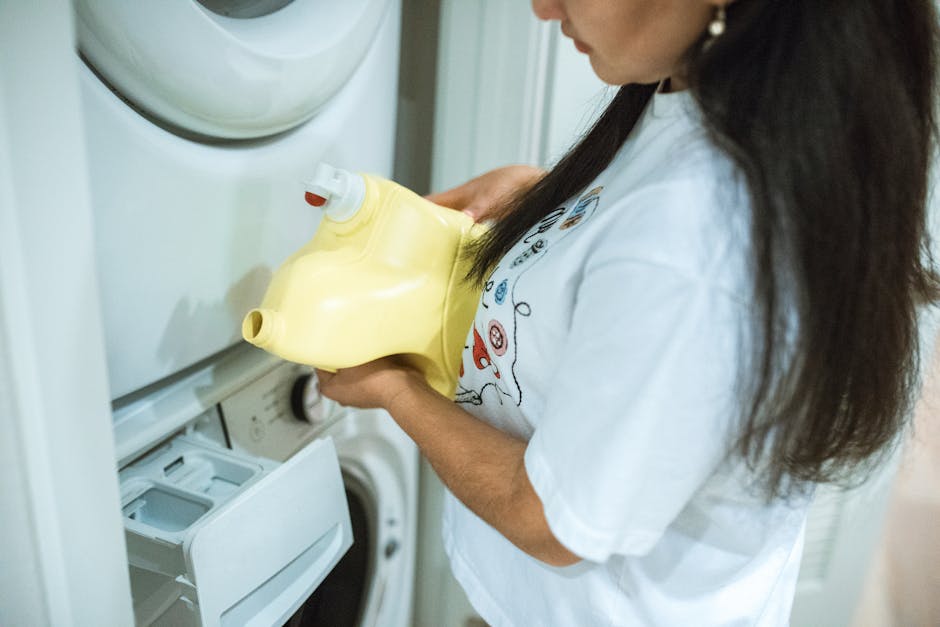
This guide explains how surfactants help water interact with oils and soils, and where the term appears on cleaning labels.
How surfactants work
Surfactants change how water interacts with oils, soils, and surfaces. This helps loosen and suspend dirt so it can be rinsed away.
Different classes
Anionic, nonionic, cationic, and amphoteric surfactants have different electrical properties and uses. A finished detergent can combine more than one class.
Environmental differences
EPA notes that surfactants differ in aquatic toxicity, biodegradation rate, and degradation products. A product-level environmental claim requires more than identifying one ingredient.
What to check before you choose a product
Read the directions, dose, washer compatibility, fragrance information, and ingredient disclosure when available. Compare the finished product instead of choosing from one front-label phrase.
Sources & References
Related Reading
Zinc Forms on Supplement Labels
This guide explains common zinc forms and why the Supplement Facts amount matters more than marketing language.
What Is Diesel Anti-Gel?
This guide explains cold-flow additives, treatment timing, diesel gelling, and label directions.
What Are Trace Minerals?
This guide explains what the term means, common examples, and how it appears on supplement and mineral-product labels.
Keep Exploring
Explore more in Home Care
Related Product Guide
If you're researching this topic, you may also want to review our guide to Laundry Wash.
Learn About Laundry Wash