
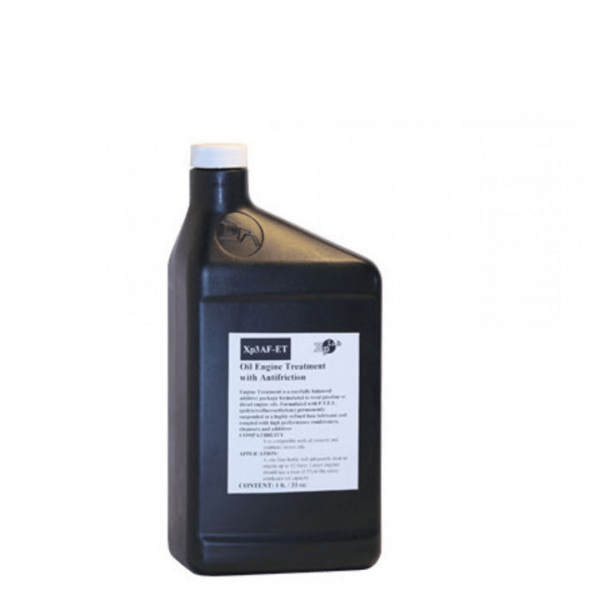
Image source: MarketPlace Global product page.
Xp3 Anti-Friction Engine Oil Treatment
Xp3 Anti-Friction Engine Oil Treatment is part of the MarketPlace Global automotive line. This guide explains the product details and where to find the official product information.
What the Product Is
Xp3 Anti-Friction Engine Oil Treatment is a product made by MarketPlace Global. This page summarizes, in informational terms, what the manufacturer says it contains and how it is used. It is not a sales page and does not make health-outcome claims.
Xp3 Anti-Friction Engine Oil Treatment is an engine oil treatment sold through MarketPlace Global. The MPG product page describes it as an anti-friction treatment with uses listed for gasoline and diesel engines. It comes as a bottled liquid that is added to engine oil, following the labeled amount. This guide covers what the product page publishes, how oil treatments fit engine maintenance, and what to check before you open the bottle.
What Is Xp3 Anti-Friction Engine Oil Treatment?
Xp3 Anti-Friction Engine Oil Treatment is one of the automotive products in the MarketPlace Global catalog. The MPG product page describes it as an anti-friction treatment for engine oil, with uses listed for gasoline and diesel engines. The product is supplied as a liquid in a pourable bottle, and the bottle and the product page give the treatment amount relative to engine oil capacity.
The product page is the authoritative source for the current listing. Formulas, packaging and directions get revised, so the label on the bottle you receive is the version to follow.
What Is an Engine Oil Additive?
Engine oil is a formulated product. Base oil carries the load, and an additive package gives the oil its working properties, such as wear protection, deposit control and viscosity stability. The American Petroleum Institute publishes engine oil standards that describe what a finished motor oil is expected to do.
An aftermarket oil additive is a product you add to oil that is already in the engine. It is a separate purchase from the oil itself. The U.S. Environmental Protection Agency regulates oil additives and publishes guidance on how these products are registered and described.
The practical point is that an oil treatment is a supplement to a normal oil service. Oil changes at the interval your vehicle manual recommends remain the baseline.
Oil Treatment vs Motor Oil
Motor oil and oil treatment are different products with different jobs.
| Motor oil | Oil treatment | |
|---|---|---|
| Job | Lubricates and cools the engine | Adds to the oil already in the engine |
| Amount | Several quarts, per the manual | A smaller labeled amount, per the bottle |
| Source of directions | Vehicle manual and oil label | Treatment bottle label |
An oil treatment never replaces the oil change. It is added to the oil already in the engine, and the vehicle manual's oil specification still governs what oil you use and when you change it.
What Does Anti-Friction Mean?
Friction is the resistance between moving engine parts. Engine oils contain friction-related additives from the refiner, and the term anti-friction on a treatment label describes the manufacturer's positioning for the product. MarketPlace Global describes Xp3 as an anti-friction treatment, and the product page and label are the sources for what the manufacturer says the product does.
When you read an anti-friction label, look for the specific language about intended benefits and the directions. Claims on packaging describe the manufacturer's intent. The label and the product page, rather than summaries of them, are the documents to trust.
For the chemistry behind the term, see What Are Friction Modifiers?.
Gasoline and Diesel Uses
MarketPlace Global lists uses for gasoline and diesel engines. The two engine types differ in fuel system design, combustion and oil stress, so a treatment that covers both states that clearly on its label.
To check the fit for your vehicle, do two things. Read your vehicle manual for the engine and oil specification. Then read the treatment label and product page for the stated uses and any engine type notes. If the label leaves your engine type unclear, confirm with the retailer before ordering.
Treatment Ratios
The treatment amount is stated on the bottle and on the MPG product page, and it is given relative to engine oil capacity. Engine oil capacity is listed in your vehicle manual, so the two documents together tell you the amount to add for your engine.
Three habits keep this simple.
- Look up oil capacity in your vehicle manual before you open the bottle.
- Read the treatment directions in full rather than skimming.
- Never exceed the labeled amount, because more treatment is not the same as better treatment.
Synthetic and Conventional Oil
Motor oil comes in conventional, synthetic blend and full synthetic formulations, and each carries its own additive package. If you run a synthetic oil, check the treatment label and the product page for the stated oil compatibility. The label is the source for which oil types the manufacturer intends the product for.
Your vehicle manual's oil specification comes first in every case. It states the viscosity grade and performance standard the engine is designed around, and that specification governs the oil you buy. Any treatment is an addition to that oil, following the labeled amount.
What to Check Before Using an Oil Treatment
Run through this list before a first use.
- Your vehicle manual's oil specification and oil capacity
- The stated uses on the label and product page, including gasoline and diesel coverage
- The labeled treatment amount relative to your oil capacity
- The label's storage and disposal instructions
- Your oil change schedule, which the treatment does not replace
If your vehicle is under warranty, your dealer is the right place to ask questions about oil system products. The label on your specific bottle takes precedence over any general guidance.
Related Automotive Guides
If you are also looking at fuel additives, the MPG X-Caps guide covers the capsule fuel additive in the same MarketPlace Global line.
Official MarketPlace Global Product Information
This guide summarizes MarketPlace Global's published product information for Xp3 Anti-Friction Engine Oil Treatment. The product page is the authoritative source for the current bottle details, directions and treatment amount. Visit the official MarketPlace Global Xp3 category page for the current listing.
Official MarketPlace Global Sources
Manufacturer Information
MarketPlace Global is the manufacturer of this product. Any statement about the product on this page is based on the manufacturer's current customer-facing materials, checked on 2026-09-24. This site is independent and is not operated by MarketPlace Global.
Frequently Asked Questions
What is Xp3 Anti-Friction Engine Oil Treatment?
It is an engine oil treatment sold by MarketPlace Global. The MPG product page describes it as an anti-friction treatment with uses listed for gasoline and diesel engines. It comes as a bottled liquid and is added to engine oil.
How do you use Xp3 Anti-Friction Engine Oil Treatment?
Follow the directions on the bottle and the MPG product page. The bottle and the product page give the treatment amount relative to your engine's oil capacity.
Where is Xp3 sold?
Xp3 products are sold through MarketPlace Global. The Buy on MarketPlace Global button on this page goes to the official Xp3 category.